Birds of Prey: 5 Gruesome Hunting Methods That Reveal Nature's Dark Side
We often envision Britain's birds as gentle, graceful creatures that eat seeds, visit gardens, and sing melodiously in the mornings. However, this idyllic image masks a far more brutal reality. Many birds possess a darker, predatory side, employing surprisingly violent and cunning tactics to secure their meals. Nature has equipped these feathered hunters with speed, intelligence, and specialized beaks designed for killing, transforming them into highly efficient predators. From impaling victims to committing aerial piracy, their methods are both remarkable and gruesome, revealing a tiny drama of survival that unfolds in backyards and across landscapes.
The Butcher Bird: Great Grey Shrike's Impaling Technique
The great grey shrike has earned its ominous nickname "butcher bird" through a particularly brutal hunting strategy. Despite their small size, these birds are deadly predators with hooked beaks similar to those of raptors. They hunt small mammals, reptiles, and even other birds, but the most gruesome aspect is their handling of prey. After capturing their victim, they impale it on thorns, barbed wire, or any suitable spike. This spike acts as a natural anchor, holding the prey in place while the shrike tears it apart. Experts note that this method also serves as a clever food storage system, allowing the bird to return later for leftovers. It is a highly effective, if brutal, adaptation that showcases their predatory prowess.
Sky Pirates: The Aggressive Tactics of the Great Skua
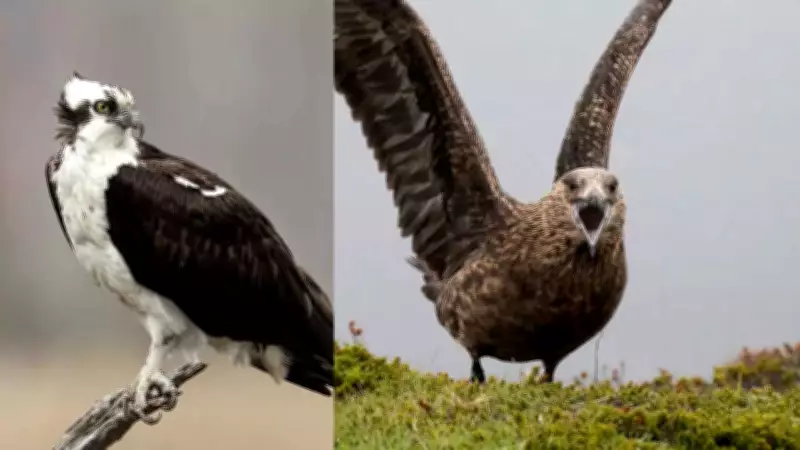
The great skua operates as a true pirate of the skies, relying on aggression and intimidation rather than traditional hunting. This big, bulky seabird harasses other birds, such as guillemots, kittiwakes, and gannets, until they relinquish their freshly caught prey. If the victim resists, the skua may escalate its attack, sometimes seizing a bird's wingtips mid-flight to force a crash into the sea. This high-risk, high-reward style of aerial piracy has proven successful for generations, ensuring the skua's survival through sheer brutality. It is a stark reminder that not all predators hunt directly; some thrive by stealing from others.

Stabbing Specialist: The Ruthless Efficiency of the Grey Heron
At first glance, the grey heron appears calm and elegant, standing motionless by rivers and ponds. Yet, beneath this serene exterior lies a ruthless predator. Using its spear-like beak, the heron stabs fish, frogs, rats, and even stoats repeatedly until they become motionless. For furry prey, it may dunk the victim in water to soften it before swallowing. After consuming large meals, herons can stand quietly for hours, digesting their food. This patient, methodical approach belies an extremely effective hunting technique that combines precision with brute force.
Sneaky Opportunist: The Cunning Strategies of the Eurasian Jay
Eurasian jays may seem harmless as they hop through gardens searching for acorns, but they are intelligent opportunists with a dark side. These birds frequently steal eggs and chicks from other birds' nests, employing clever tactics to avoid detection. They may even imitate the calls of other species to distract potential defenders, clearing the area for their theft. This reliance on wit and deception, rather than brute strength, makes the Eurasian jay an effective predator in its own right, demonstrating that intelligence can be as deadly as physical prowess in the natural world.
Precision Hunters: The High-Stakes Dives of the Osprey
Ospreys are masters of aquatic hunting, diving from great heights to catch fish with remarkable accuracy. They plunge feet-first or beak-first into water, often fully submerging to seize their prey. Their wings then power them back to the surface with their catch securely held. A unique adaptation—a rotating outer toe that acts like a vice—allows them to lock slippery fish firmly in place. However, this hunting style is not without risk; reports indicate that weaker ospreys have been dragged underwater by large trout. Their precision, combined with inherent danger, highlights a highly specialized and risky approach to predation.

In conclusion, Britain's birds are far more than beautiful, melodic creatures; they are complex predators equipped with brutal and clever hunting methods. From impaling and piracy to stabbing and deception, these techniques reveal a darker side of nature that challenges our perceptions of avian behavior. Understanding these gruesome strategies not only deepens our appreciation for wildlife but also underscores the harsh realities of survival in the natural world.