Balochistan Engulfed in Coordinated Violence as BLA Releases Photos of Women Fidayeen
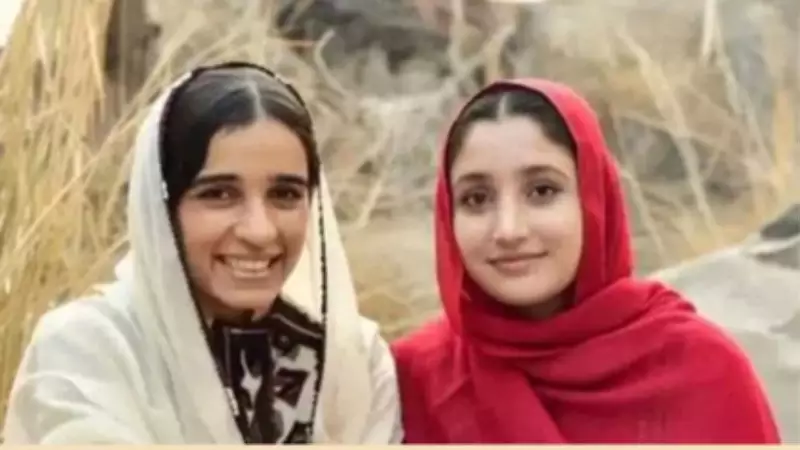
As a 24-hour wave of synchronized violence swept through Pakistan's restive Balochistan province over the weekend, the Baloch Liberation Army (BLA) has released photographs of two women fidayeens who participated in the coordinated offensive. The images reveal Asifa Mengal (23) and Hawa Baloch (24), who carried out attacks on symbols of Pakistan's authority across multiple districts.
From Ordinary Lives to Fidayeen Operations
The two women reportedly abandoned their regular lives to join the BLA's elite Majeed Brigade, the organization's fidayeen squad. During Operation Herof 2.0, they blew themselves up at different locations as BLA rebels targeted government offices, banks, Frontier Corps headquarters, and various military installations. The attacks spanned across Kalat, Gwadar, Mastung, Noshki, Kharan, Turbat, and Pasni areas, demonstrating the operation's geographical reach.
Personal Journeys to Militancy
According to BLA statements, Asifa Mengal was born in 2002 in Noshki and eventually participated in a vehicle-borne improvised explosive device (VBIED) attack against the ISI headquarters in her hometown on January 31, 2026. The militant group claims she joined their Majeed Brigade on her 21st birthday in 2023, marking a significant departure from conventional life.

Her path was mirrored by Hawa Baloch, an aspiring writer from Kech district whose involvement in the conflict was deeply personal. She followed in the footsteps of her father, Nabi Baksh Baloch, also a BLA member who was killed in Sistan, Iran in 2021. Hawa reportedly joined the Majeed Brigade after her father's death, highlighting how personal loss can fuel militant recruitment.
Wide Age Range Among Participants
The wave of attacks involved participants across a remarkable age spectrum, from younger women like Mengal and Baloch to much older individuals. The operation reportedly included:
- 60-year-old Hatam Naz Sumalani
- 70-year-old Nako Fazal Baloch
Both carried out suicide attacks at different locations during the violence, indicating the broad demographic appeal of the militant campaign.
Escalating Crisis in Balochistan
By trading classrooms and social media feeds for frontlines, Mengal and Baloch have signaled what analysts describe as a deepening crisis within the province. Their involvement represents a notable development in the long-running Baloch insurgency, suggesting evolving recruitment patterns and operational tactics.
The BLA's media wing, Hakkal, released footage of the attacks and hostages on social media platforms, demonstrating the group's sophisticated propaganda capabilities alongside its military operations.
Conflicting Casualty Claims
Both the BLA and Pakistani government have made competing claims about casualties from the violence:
- The BLA claims to have killed over 100 Pakistani security personnel during the offensive
- Balochistan Chief Minister Sarfraz Bugti stated that security forces eliminated over 145 rebels
Nature of the Attacks
The coordinated operation involved multiple tactics that paralyzed security responses across the province:
- Suicide bombings at strategic locations
- Grenade attacks on police stations
- Capturing of highways to block military reinforcements
While instances of violence continued through Monday, the scale appeared to have reduced from the initial 24-hour surge. The sustained nature of the attacks, however, points to significant planning and coordination by the militant group.
The weekend violence represents one of the most significant coordinated attacks in Balochistan in recent years, highlighting the persistent security challenges in Pakistan's largest province. The involvement of women fidayeens, particularly those who left conventional lives behind, adds a new dimension to the ongoing conflict that has claimed thousands of lives over decades of insurgency.