

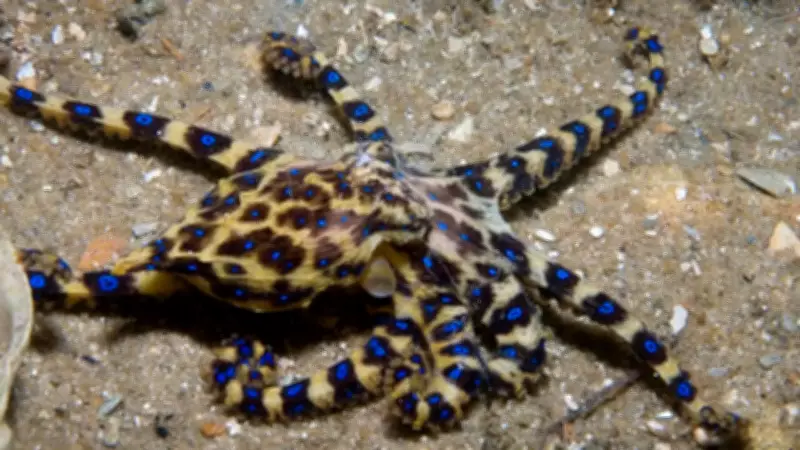
The Blue-Ringed Octopus: A Tiny but Lethal Marvel of the Sea
Among the vast array of marine life, the blue-ringed octopus stands out as one of the smallest and most perilous creatures in the world's oceans. Measuring just slightly larger than a standard golf ball, this diminutive animal inhabits shallow coastal waters, often concealing itself among rocks, shells, and coral formations. Despite its unassuming appearance, which many find fascinating rather than frightening, it harbors a deadly defense mechanism capable of altering human physiology within minutes.
Why the Blue-Ringed Octopus Is Easily Overlooked
One of the primary reasons this octopus poses such a significant threat is its inconspicuous nature. Most human encounters occur accidentally, typically when individuals venture too close or attempt to handle it without realizing the danger. In its resting state, the octopus displays a dull yellow or brown coloration, allowing it to blend seamlessly with its environment. However, when threatened, it undergoes a dramatic transformation: vibrant blue rings emerge and flash across its body.
This flashing is not random but serves as a precise indicator of the level of danger. According to a study published in TOXIN (MDPI), species like Hapalochlaena lunulata possess strong defensive capabilities linked to their toxicity. The intensity of the ring flashing escalates with increased threat levels, functioning as a clear signal that the octopus is prepared to defend itself. Essentially, this display aims to prevent conflict before it even begins.

The Potent Venom of the Blue-Ringed Octopus
The true danger of the blue-ringed octopus lies in its venom, which contains a powerful neurotoxin that targets the human nervous system. Unlike larger sea creatures that rely on strength, this octopus employs precision and potency. Upon entering the body, the venom disrupts communication between nerves and muscles, leading to rapid loss of muscular control. Initial symptoms may be mild but can progress swiftly, and even a small amount of venom can have severe effects.
How a Single Bite Affects the Human Body
One of the most alarming aspects of this creature is that its bite is often painless and leaves no visible mark. Victims may not realize they have been bitten until they begin to experience weakness or unresponsiveness. In severe cases, paralysis can set in, rendering individuals unable to move or breathe. Terrifyingly, some may remain fully aware of their deteriorating condition throughout the ordeal.
Currently, there is no specific antidote for this venom. Treatment focuses on providing supportive medical care until the toxin's effects subside, highlighting the critical importance of seeking immediate attention.
Why the Venom Shuts Down the Body So Quickly
The neurotoxin works by interfering with nerve signals essential for bodily functions. When these signals are disrupted, the body cannot operate properly, leading to rapid shutdown. Interestingly, the octopus itself is immune to its venom due to natural adaptations that have evolved over time. This ability to store and utilize venom efficiently makes it one of the ocean's most formidable predators.
The Octopus's Preference for Staying Hidden
Despite its lethal reputation, the blue-ringed octopus is not inherently aggressive. It generally avoids confrontation, with its first instinct being to retreat or hide. The flashing blue rings represent a final warning, and attacks typically occur only when this signal is ignored, often due to human curiosity or accidental proximity.
Understanding this behavior is crucial, as it underscores that the danger stems from interaction with the creature rather than from the creature itself. Its warning display exists for a reason, and recognizing and respecting it is essential. In the natural world, even the smallest organisms can demand the utmost caution, reminding us of the delicate balance within marine ecosystems.






