Bombay High Court Takes Suo Motu Cognizance of Rising Water Levels at Millennia-Old Lonar Crater
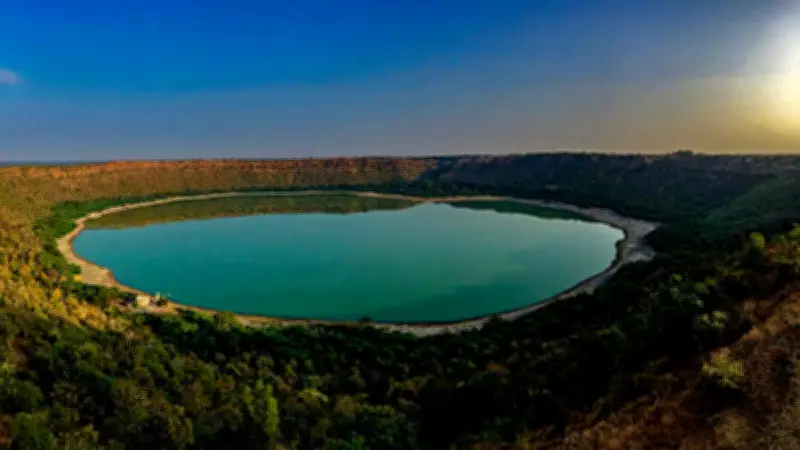
The Nagpur Bench of the Bombay High Court has taken a significant step by initiating a suo motu Public Interest Litigation (PIL) in response to an emerging ecological and heritage crisis at the Lonar Crater Lake in Maharashtra's Buldhana district. This judicial intervention comes amid alarming reports of a sharp increase in the lake's water levels, which now pose a serious threat to ancient temples and the crater's distinctive saline ecosystem.
Heritage Structures at Risk of Submergence
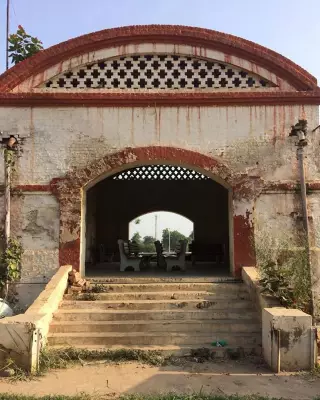
According to the legal petition filed by Amicus Curiae Mohit Khajanchi, the water level in Lonar Lake has risen by nearly 20 feet. This dramatic increase has led to the partial or complete submergence of several centuries-old heritage structures situated along the crater rim. The petition reveals that nine out of fifteen ancient temples, estimated to be over 1,200 years old, are currently either partially or fully underwater.
Temples facing immediate danger include:

- Kamalja Devi Temple
- Daitya Sudhan Temple
- Motha Maruti Temple
- Gaumuk Temple
The Amicus Curiae highlighted that as recently as November 2025, water levels were confined to the steps of these temples. However, the current situation presents a grave risk of complete submergence of idols, particularly at the Kamalja Devi Temple.
Unique Geological and Ecological Significance
Lonar Crater, formed by a meteorite impact during the Pleistocene Epoch, holds the distinction of being the only known hyper-velocity impact crater in basaltic rock in India. The lake is globally renowned for its hyper-saline and alkaline soda water, which supports rare microorganisms such as distinct cyanophycean algae and Arthrospira plantensis. These microorganisms are responsible for the lake's occasional pink hue, adding to its unique ecological character.
The petition warns that the influx of freshwater is rapidly diluting the lake's salinity and lowering its pH levels. This environmental shift is allowing freshwater species to enter the lake, posing a serious threat to the rare bacteria, fungi, and protozoa that can survive only in highly saline conditions. The loss of salinity, as stated in the petition, would constitute a significant disaster for the saline nature of the Lonar Crater.
Human-Made Factors Contributing to the Crisis
While acknowledging that heavy rainfall in 2025 contributed to the rising water levels, the petition attributes the crisis primarily to human-made factors, describing it as a perfect storm of administrative failures and misguided interventions. The major causes cited include:
- Untreated sewage water entering the lake, with the administration allegedly failing to address the issue despite awareness.
- Excessive tree plantation drives undertaken by the Forest Department and the Archaeological Survey of India (ASI), which have reportedly increased soil moisture retention, reduced evaporation, and forced excess water into the crater.
- Water percolation, possibly from seepage from the Kini Percolation Tank located about two kilometres from the crater.
The petition also criticises IIT Bombay for not submitting a conclusive report on the source of excessive water inflow, despite being assigned the task earlier.
Urgent Relief Sought from the High Court
Seeking immediate intervention, the Amicus Curiae has urged the High Court to issue directions to the State of Maharashtra and concerned authorities. The requested measures include:

- Immediate implementation of an Emergency Water Diversion Plan to protect submerged temples.
- Completion and publication of a scientific audit by IIT Bombay on the source of water inflow.
- Stopping further plantation activities that may be contributing to water retention.
- Establishment of a real-time water quality monitoring system to track pH and salinity levels.
- Suggesting and implementing effective measures for the preservation and restoration of Lonar Crater to its natural state.
Court Issues Notices to Multiple Authorities
The court has issued notices to several key authorities, including Principal Secretaries of various departments such as Panchayatraj, Finance, Public Works, Water Resources, Revenue and Forest, Environment, Irrigation, and Environment and Climate Change. Other respondents include the Divisional Commissioner of Amravati, Collector Buldhana, Tahsildar Lonar, Municipal Council Lonar, Maharashtra State Biodiversity Board, Maharashtra Pollution Control Board, Ministry of Environment, Forest and Climate Change, Geological Survey of India, and Indian Institute of Technology, Bombay.
Justices Anil Kilor and Raj Wakode have ordered all respondents to submit their replies within two weeks, emphasizing the urgency of addressing this critical situation to preserve both the ecological integrity and historical heritage of the Lonar Crater Lake.