

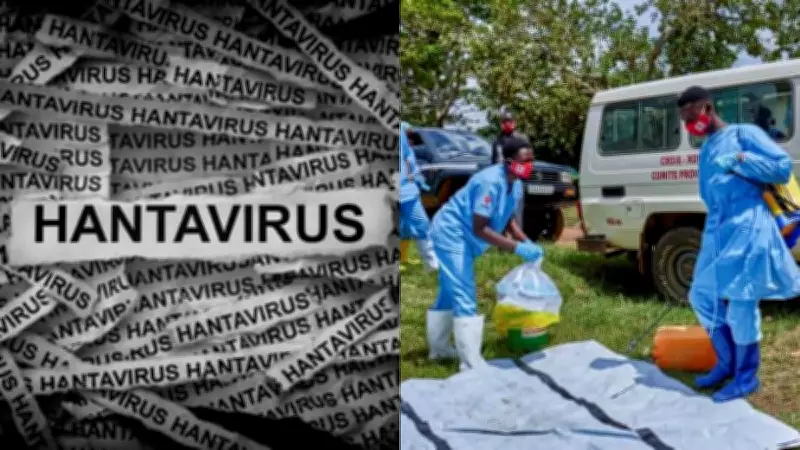
The COVID-19 pandemic has served as a stark reminder of the devastating impact that viral outbreaks can have on global health, economies, and societies. As the world gradually emerges from the crisis, experts are emphasizing the critical need for enhanced preparedness to tackle future viral threats. The lessons learned from this pandemic must not be forgotten; instead, they should inform a comprehensive strategy to strengthen global health security.
Strengthening Surveillance Systems
One of the key takeaways from the pandemic is the importance of robust surveillance systems. Early detection of novel viruses is crucial to prevent widespread transmission. Countries must invest in advanced genomic sequencing technologies and establish networks for real-time data sharing. The World Health Organization (WHO) and other international bodies should facilitate collaboration among nations to monitor emerging pathogens. Enhanced surveillance can provide early warnings, allowing for swift containment measures.
Rapid Response Mechanisms
Speed is of the essence when responding to a viral outbreak. The pandemic exposed delays in declaring a public health emergency and coordinating international response. Future preparedness requires pre-approved protocols for travel restrictions, quarantine measures, and resource mobilization. Governments should maintain stockpiles of personal protective equipment (PPE), ventilators, and essential medicines. Additionally, rapid development and distribution of vaccines and therapeutics must be prioritized, with mechanisms in place for equitable access worldwide.

Investing in Research and Development
Continuous investment in research and development (R&D) is vital. This includes funding for basic science to understand virus biology, as well as applied research for vaccines and treatments. The success of mRNA vaccines during COVID-19 highlights the potential of platform technologies that can be rapidly adapted to new pathogens. Public-private partnerships can accelerate innovation, but sustained government funding is necessary to maintain readiness.
International Cooperation and Governance
Viruses know no borders, making global cooperation indispensable. The pandemic revealed weaknesses in international health regulations and the need for stronger governance. Reforms to the WHO and the International Health Regulations are essential to ensure accountability and compliance. Countries must commit to transparent reporting and collaborative response efforts. Initiatives like the Access to COVID-19 Tools Accelerator (ACT-A) provide a model for future global health initiatives.
Building Resilient Health Systems
Underlying all preparedness efforts is the need for resilient health systems. Many healthcare systems were overwhelmed during the pandemic, highlighting gaps in infrastructure, workforce, and financing. Investments in primary healthcare, training for health workers, and surge capacity are critical. Universal health coverage ensures that all individuals can access necessary care without financial hardship, which is fundamental to pandemic response.
Public Trust and Communication
Effective communication is crucial to building public trust and ensuring compliance with public health measures. Misinformation and disinformation undermined response efforts. Governments and health authorities must engage with communities, provide clear and consistent messaging, and combat false information. Transparency about uncertainties and evolving science can foster trust. Incorporating behavioral insights into communication strategies can improve adherence to guidelines.
In conclusion, the COVID-19 pandemic has been a harsh teacher, but the lessons learned must be applied to prevent future catastrophes. By strengthening surveillance, rapid response, R&D, international cooperation, health systems, and communication, the world can better brace for the viral threats that lie ahead. The time to act is now, before the next crisis emerges.






