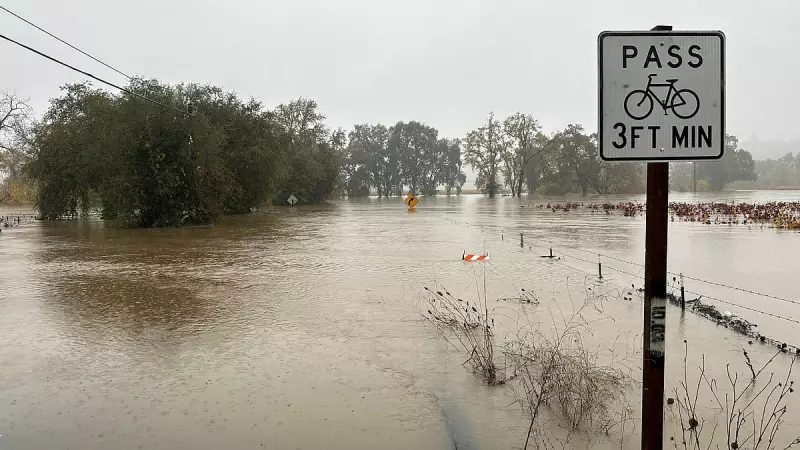
A powerful and relentless atmospheric river storm has unleashed its fury upon Southern California, triggering dangerous flash floods, destructive mudslides, and forcing urgent evacuations. The historic rainfall, which began on Sunday, has turned hillsides into rivers of mud, inundated streets, and put lives and property at extreme risk.
State of Emergency and Widespread Evacuations
Governor Gavin Newsom declared a state of emergency for several counties, including Los Angeles, Orange, Riverside, and San Diego, as the scale of the crisis became clear. The most dramatic scenes unfolded in the affluent hillside community of Studio City, Los Angeles, where at least seven homes were severely damaged by a cascade of mud and debris. Firefighters performed daring rescues, pulling residents from homes as mud flowed into living rooms and garages.
Authorities issued mandatory evacuation orders for hundreds of residents living in areas deemed at high risk for debris flows, particularly in zones scarred by recent wildfires. The Los Angeles Fire Department established shelters and urged people to heed the warnings immediately. "This is a life-threatening situation," officials repeatedly stated, emphasizing the speed at which conditions could deteriorate.

Record Rainfall and Relentless Downpour
The storm, a classic "Pineapple Express" atmospheric river event tapping into tropical moisture near Hawaii, has dumped unprecedented amounts of rain. Downtown Los Angeles recorded over 4 inches (10 cm) of rain in just 24 hours, making it one of the wettest February days on record. Some foothill and mountain areas saw staggering totals exceeding 10 inches (25 cm).
The relentless downpour overwhelmed drainage systems, turning major freeways into moving lakes and causing numerous road closures. The famous Sunset Boulevard was among the many thoroughfares submerged under feet of water, stranding vehicles and disrupting traffic across the region. The National Weather Service issued flash flood warnings for millions of residents, describing the event as particularly dangerous.
Destructive Mudflows and Ongoing Risks
The saturated ground gave way in many areas, leading to significant mudslides and debris flows. In the Beverly Glen area, mud and rocks cascaded down hillsides, trapping cars and blocking roads. The risk of further slides remains critically high even as the rain begins to taper, as soils are completely waterlogged.
Emergency services have been stretched thin, responding to hundreds of incidents including water rescues from flooded vehicles, structural damage assessments, and clearing debris-choked roads. Power outages have also been reported for thousands of customers as winds accompanied the heavy rains. The storm's impact serves as a stark reminder of California's vulnerability to extreme weather patterns, which scientists link to climate change, causing atmospheric rivers to become more intense.
While the peak of the rainfall has passed, officials warn that the threat is not over. The focus now shifts to recovery efforts, assessing the full extent of the damage, and the potential for further instability on hillsides. The community faces a long cleanup process in the wake of this natural disaster.