The Union Ministry of Environment, Forest and Climate Change has conducted a crucial review of the action plans submitted by the states of Punjab and Rajasthan. These plans are specifically designed to tackle the severe issue of air pollution within the National Capital Region (NCR).
High-Level Meeting Scrutinizes State Action Plans
A high-level meeting was convened by the Commission for Air Quality Management (CAQM) to assess the strategies laid out by the two states. The review is a part of the central government's proactive approach to ensure coordinated and effective measures are in place before the onset of the challenging winter season, when air quality typically deteriorates sharply.
The meeting saw participation from senior officials of the Union Environment Ministry and the CAQM. They meticulously examined the proposed steps from Punjab and Rajasthan, which are critical contributors to the trans-boundary pollution that affects Delhi and the wider NCR.

Punjab's Strategy on Stubble Burning and Industrial Control
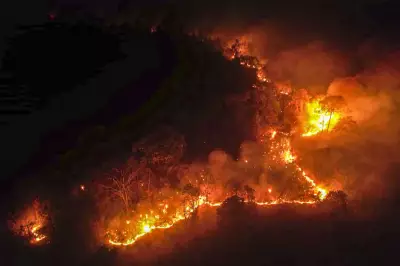
The action plan from Punjab, a state significantly linked to crop residue burning, was a major point of discussion. The state's strategy likely includes measures for in-situ management of paddy straw, providing machinery to farmers, and promoting alternative uses for stubble. The central team emphasized the urgent need for robust mechanisms to curb farm fires, which are a primary source of particulate matter during October and November.
Furthermore, the plan addressed controlling pollution from industrial clusters within Punjab's territory that falls under the NCR. This involves ensuring strict compliance with emission norms and the adoption of cleaner technologies.
Rajasthan's Focus on Dust and Emission Hotspots
Rajasthan's presentation focused on controlling dust pollution from construction and demolition activities, road dust, and open areas. Given the arid climate, dust storms are a considerable concern. The state's plan also detailed steps to monitor and reduce emissions from industries and thermal power plants located in its NCR districts.
The Commission sought clarity on the implementation timelines, budgetary allocations, and monitoring frameworks for the proposed actions in both states. The goal is to move beyond planning to on-ground execution that yields measurable improvements in air quality.
Implications for NCR's Winter Air Quality
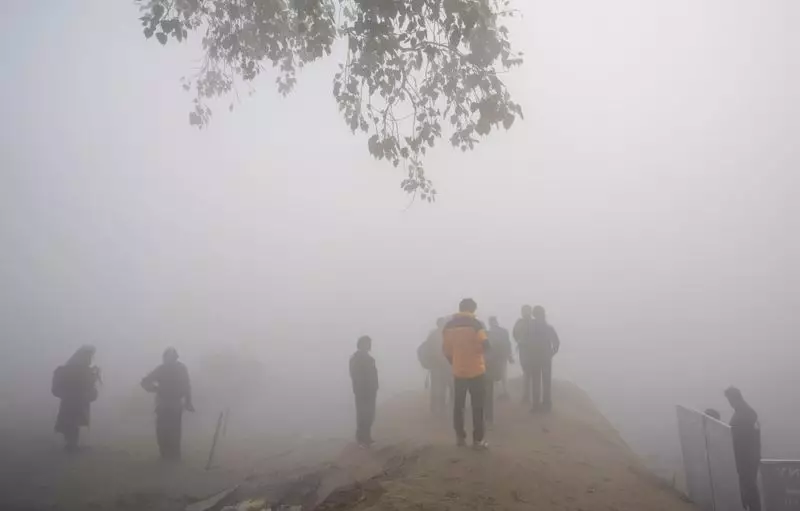
This review holds significant implications for the air quality in Delhi and the surrounding NCR towns. With the winter season approaching, the effectiveness of these state plans will directly impact the frequency and severity of smog episodes. The CAQM's role is to ensure that all contributing states are aligned and accountable.
The central push for reviewed and approved action plans signals a move towards a more cohesive and enforceable regional strategy. The success of this initiative hinges on seamless inter-state cooperation and timely execution of the promised measures. Residents of the NCR will be watching closely to see if these administrative reviews translate into cleaner, breathable air in the coming months.