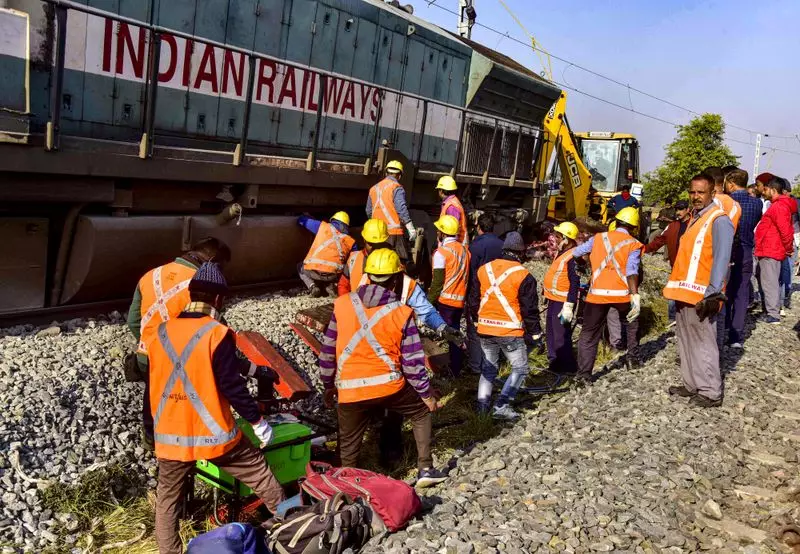
In a tragic incident highlighting the persistent conflict between infrastructure and wildlife, five elephants were killed after being struck by a train in Assam. The accident occurred on the railway tracks in the Hojai district, prompting immediate intervention from the highest levels of the Union government.
Minister Bhupender Yadav Demands Immediate Action and Report
Union Minister for Environment, Forest and Climate Change, Bhupender Yadav, has taken serious note of the incident. He has directed the concerned authorities to provide a detailed report on the circumstances that led to the deaths of the pachyderms. The minister emphasized the need for accountability, stating that strict action must be taken against any negligence found in the case.
The accident reportedly took place in the Hojai district of Assam, a region known for elephant corridors. The herd was crossing the railway tracks when a train hit them, resulting in the immediate death of five animals. This event has once again cast a spotlight on the dangers posed by railway lines that cut through vital wildlife habitats and migration paths.

Recurring Tragedy on Assam's Railway Tracks
This is not an isolated incident in the region. Assam has witnessed several such tragic accidents in the past where elephants have died on railway tracks. These recurring deaths point to a systemic failure in implementing effective mitigation measures to prevent such collisions.
Commonly suggested solutions by wildlife experts include:
- Reducing train speeds in identified elephant corridors, especially during night hours.
- Installing early warning systems and sensors to alert train drivers.
- Creating safe underpasses or overpasses for animals to cross.
- Improving coordination between the railway authorities and the state forest department.
The demand for the report from the Centre indicates a push for stricter enforcement of existing guidelines and possibly new protocols to safeguard wildlife.
Broader Implications for Wildlife Conservation
The death of five elephants in a single incident is a significant blow to conservation efforts. Asian elephants are classified as Endangered on the IUCN Red List, and India hosts the largest population of this majestic species. Every loss impacts the genetic diversity and long-term survival of these herds.
This tragedy underscores the urgent need to balance developmental projects with ecological preservation. As railway networks expand, integrating wildlife-friendly infrastructure becomes non-negotiable. The report sought by Minister Yadav will be crucial in determining the exact lapses and setting a precedent for how such man-animal conflicts are managed in the future. The expectation from conservationists and the public alike is for concrete, actionable steps to ensure such a heartbreaking event is not repeated.
The state forest department is now under scrutiny to provide a transparent account of the incident and outline the measures that were, or were not, in place to prevent it. The nation awaits both the findings and the subsequent actions to protect its invaluable natural heritage.