Hydropower Push in Chenab Valley Faces Rising GLOF Threat
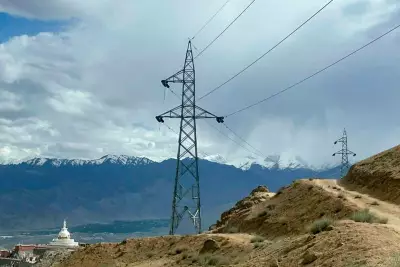
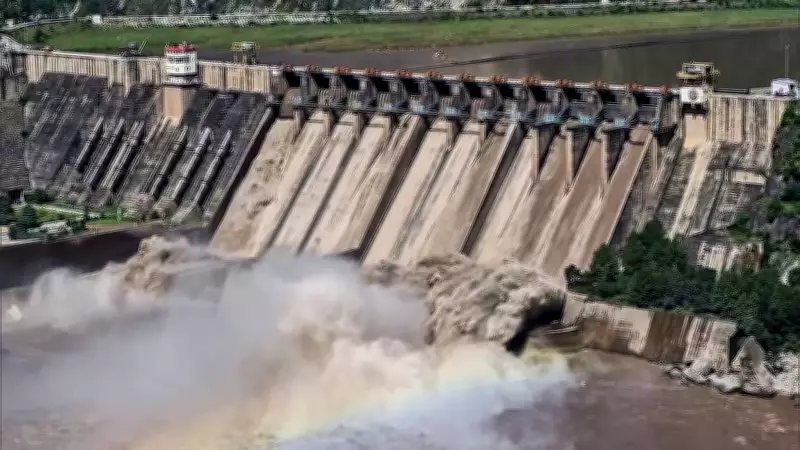
Ambitious hydropower development in the Chenab Valley region of Jammu and Kashmir is encountering a formidable challenge: the escalating risk of Glacial Lake Outburst Floods (GLOFs). This threat, exacerbated by climate change and rapid glacier melt, poses severe dangers to critical infrastructure, local communities, and the region's energy security.
Expanding Hydropower Projects in a Vulnerable Region
The Chenab Valley, renowned for its substantial hydropower potential, has become a focal point for numerous energy projects aimed at boosting India's renewable energy capacity. However, this development is unfolding in an area increasingly susceptible to natural hazards. Recent scientific assessments indicate a marked rise in the formation and expansion of glacial lakes in the surrounding Himalayan ranges, primarily due to rising temperatures and accelerated ice loss.
These glacial lakes, often dammed by unstable moraines, can breach suddenly, releasing massive volumes of water, debris, and ice downstream. Such GLOF events have the potential to cause catastrophic flooding, with devastating impacts on hydropower installations, transmission networks, and inhabited areas along the Chenab River basin.

Climate Change Intensifies the GLOF Hazard
Climate change is a primary driver behind the growing GLOF threat in the Chenab Valley. Studies show that Himalayan glaciers are retreating at an alarming rate, leading to the creation of new glacial lakes and the enlargement of existing ones. The instability of these water bodies is further heightened by erratic weather patterns, including intense rainfall and seismic activity, which can trigger sudden outbursts.
Experts warn that without proactive mitigation and adaptation strategies, the region's hydropower infrastructure could face frequent disruptions, costly damages, and operational failures. The economic and environmental consequences of such events would be substantial, undermining investments in clean energy and jeopardizing local livelihoods.
Implications for Infrastructure and Community Safety
The rising GLOF risk presents multifaceted challenges for the Chenab Valley:
- Infrastructure Vulnerability: Hydropower dams, tunnels, and powerhouses are particularly exposed to flood impacts, potentially leading to prolonged outages and repair expenses.
- Community Risk: Settlements downstream of glacial lakes are at heightened risk of displacement, property loss, and casualties during GLOF events.
- Environmental Impact: Outburst floods can cause significant ecological damage, including soil erosion, habitat destruction, and water contamination.
Addressing these risks requires a comprehensive approach, integrating advanced monitoring systems, robust early warning mechanisms, and climate-resilient engineering designs. Collaboration between government agencies, scientific institutions, and local stakeholders is essential to develop effective risk management frameworks.
Pathways to Sustainable Hydropower Development
To ensure the long-term viability of hydropower projects in the Chenab Valley, several measures are critical:
- Enhanced Monitoring: Deploying satellite imagery, remote sensing, and ground-based sensors to track glacial lake dynamics and predict potential outbursts.
- Risk Assessment: Conducting detailed hazard mapping and vulnerability analyses to inform project siting and design modifications.
- Community Engagement: Involving local populations in disaster preparedness initiatives and evacuation planning to enhance resilience.
- Policy Integration: Aligning hydropower development with climate adaptation policies to foster sustainable and secure energy production.
By prioritizing these actions, stakeholders can mitigate the GLOF threat while advancing the Chenab Valley's role in India's renewable energy landscape. The balance between harnessing hydropower potential and safeguarding against climate-induced hazards will be pivotal for the region's future development and stability.