Chennai Communities Take Charge of Wet Waste with Innovative Composting Initiatives
In a significant move to promote source segregation and enhance the efficient processing of wet waste generated at home, numerous prominent gated communities and residential neighborhoods across Chennai are uniting to implement practical and cost-effective solutions. This grassroots effort aims to alleviate the strain on the city's overburdened waste management infrastructure while fostering environmental sustainability.
From Humble Beginnings to Widespread Adoption
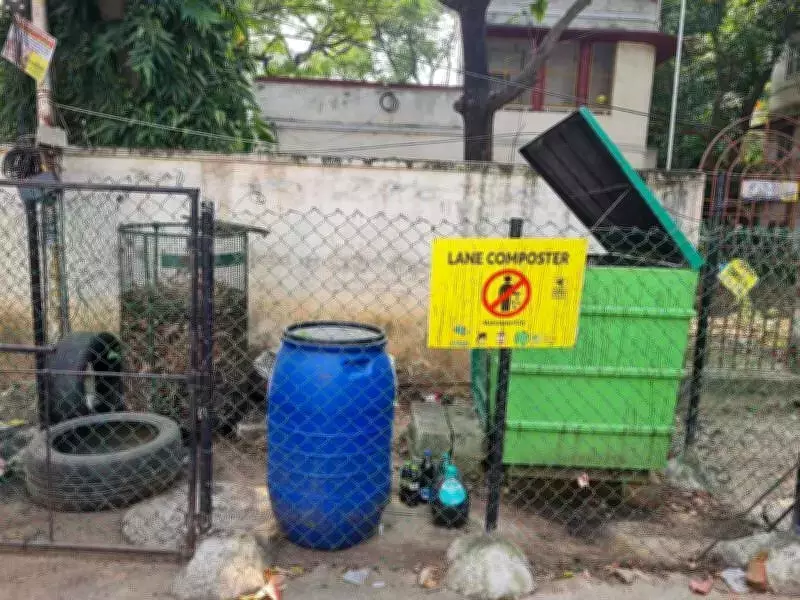
The initiative traces its origins to a simple source segregation drive launched a few years ago among a handful of households in Kasturba Nagar, Adyar. Today, this effort has evolved into a robust collaboration involving the Residents of Kasturba Nagar Association (ROKA), Okapi (Chennai's resilience center), and the Urban Ocean Programme Consortium. Together, they have introduced lane composters capable of processing up to 230 kilograms of waste per month, setting a powerful example for other communities to follow.
Expanding the Network of Sustainable Practices
Inspired by the success in Kasturba Nagar, Clover by the River, a gated community in Kotturpuram, has recently joined the movement by installing two lane composters to manage its wet waste. Anu Narayan, a green team member of the community, highlighted the progress, stating, "Our team of 10 members works in the waste management space. One of the composters is almost full, and it will take about 40 days for the waste to transform into nutrient-rich compost."

The collaboration with Okapi was initiated after a comprehensive trash audit revealed that organic and wet waste constituted more than 45% of the total waste generated. A. Aisha, a research associate at Okapi, explained, "This audit prompted us to approach ROKA to set up composters, addressing a critical gap in waste processing."
Decentralizing Waste Management and Generating Value
This community-led approach has effectively decentralized the work of the municipal corporation. Janani Venkitesh, president of ROKA, detailed the impact, saying, "A portion of the waste collected by conservancy workers is now diverted to our lane composters, which are strategically placed at three major points in our neighborhood. The compost produced is then distributed back to residents, creating a closed-loop system."
The investment in these composters, totaling 60,000 rupees, has yielded impressive results. From October 2023 to January this year, they collectively processed 10 tonnes of wet waste and generated 3.2 tonnes of compost, demonstrating both environmental and economic benefits.
Growing Interest and Future Prospects
The success of these initiatives has sparked interest across Chennai, with several other communities expressing eagerness to adopt similar practices. A member of the Kalakshetra Colony Residents Welfare Association shared, "We are currently engaged in the collection of soft plastics and are keen to extend our efforts to wet waste management. We are actively exploring options to set up a composting system in the near future."
Similarly, Rakesh, a resident of Poonamallee, reported that his gated community, Golden Opulence, is making strides in this direction. He noted, "We have identified a specific tower for implementing waste segregation and composting. Residents have already received training on the basics of source segregation, and our next step is to establish composters to further enhance our sustainability efforts."
This collective action underscores a growing trend toward localized waste solutions in Chennai, empowering communities to take ownership of their environmental footprint while contributing to a cleaner, greener city.