

Chennai Incinerator Operating Without Pollution Board Monitoring, RTI Reveals
In a startling revelation, the 50-tonnes-per-day waste incinerator located in Kodungaiyur, north Chennai, has been operating without proper oversight from the Tamil Nadu Pollution Control Board (TNPCB). This information came to light through a Right to Information (RTI) application filed by residents' associations, who have long complained about the facility's detrimental impact on air and water quality across the region.
Critical Lapses in Environmental Monitoring
A report released on Monday by the Federation for North Chennai Residents' Welfare Association, citing the board's RTI response, detailed severe monitoring failures. Since its inception in 2021, the incinerator has neglected to track 45 out of 48 mandated environmental parameters. These include crucial aspects such as air emissions, leachate discharge, and the handling of toxic ash.
Specifically, of the 11 required air emission parameters, only three have been tested—and that too, just once over a span of five years. This lack of consistent monitoring raises significant questions about the facility's compliance with environmental standards and its overall operational integrity.

Resident Complaints and Health Concerns
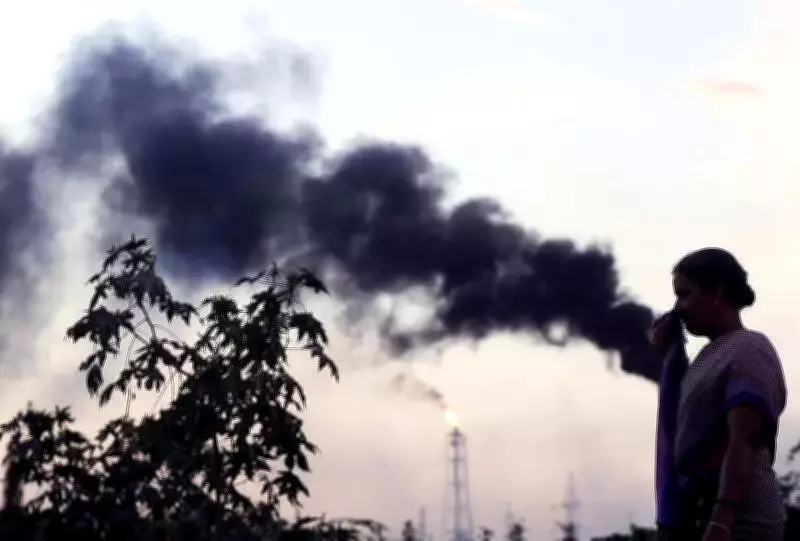
Residents of nearby areas, including Ezhil Nagar and Nethaji Nagar, have reported a persistent foul odour, black dust deposits on rooftops, and an increase in respiratory ailments. Field visits conducted in April 2025 and January 2026 by the Residents' Welfare Association documented visible issues such as ash mismanagement, leachate overflow, and smoke emissions, further corroborating these complaints.
The incinerator, operated by a private contractor on behalf of the Greater Chennai Corporation (GCC), is classified as a 'red category' industry. This classification places it among the most polluting sectors, adding to the environmental burden of north Chennai, an area already saturated with thermal power and petrochemical units.
Controversial Operational Extension and Expansion Plans
Despite these alleged violations, the facility was granted permission to continue operations until March 2028. This decision has sparked outrage among local communities and environmental groups. The report calls for an independent inquiry, immediate closure of the plant, and a shift toward zero-waste models that emphasize segregation, composting, and material recovery.
The findings have reignited debate over Chennai's proposed expansion of waste-to-energy infrastructure. The city plans to establish two large-scale incinerators capable of processing up to 3,600 tonnes of waste per day. Critics argue that scaling up incineration without stringent compliance mechanisms could exacerbate pollution and disproportionately affect vulnerable communities.
Support from Environmental Groups
The association's findings have garnered support from various organizations. The Alliance for Incinerator Free Chennai, an NGO active in north Chennai, highlighted that the absence of continuous emissions monitoring systems and failure to test for hazardous pollutants pose significant public-health risks.
Geo Damin of Poovulagin Nanbargal, another NGO, warned, "Scaling up incineration without strict compliance mechanisms could worsen pollution and disproportionately affect vulnerable communities." Similarly, T K Shanmugam of the Federation of North Chennai Residents' Welfare Association demanded, "Govt must shut the Kodungaiyur plant and scrap expansion plans."
This situation underscores the urgent need for enhanced regulatory oversight and sustainable waste management practices in Chennai to protect public health and the environment.






