A groundbreaking study from Chennai offers a potential solution for managing the massive amounts of sludge produced by the city's sewage treatment plants. Researchers have found that this byproduct can be safely repurposed for gardening and landscaping, provided it undergoes proper treatment to eliminate dangerous pathogens.
Key Findings from the CEG Research
Scientists from the College of Engineering, Guindy (CEG) conducted an in-depth analysis of sludge from seven of Chennai's sewage treatment plants (STPs), including major facilities in Nesapakkam, Kodungaiyur, and Perungudi. The city's 14 STPs collectively handle a staggering 469 million litres of wastewater daily, resulting in the generation of 15 to 18 tonnes of sludge every day.
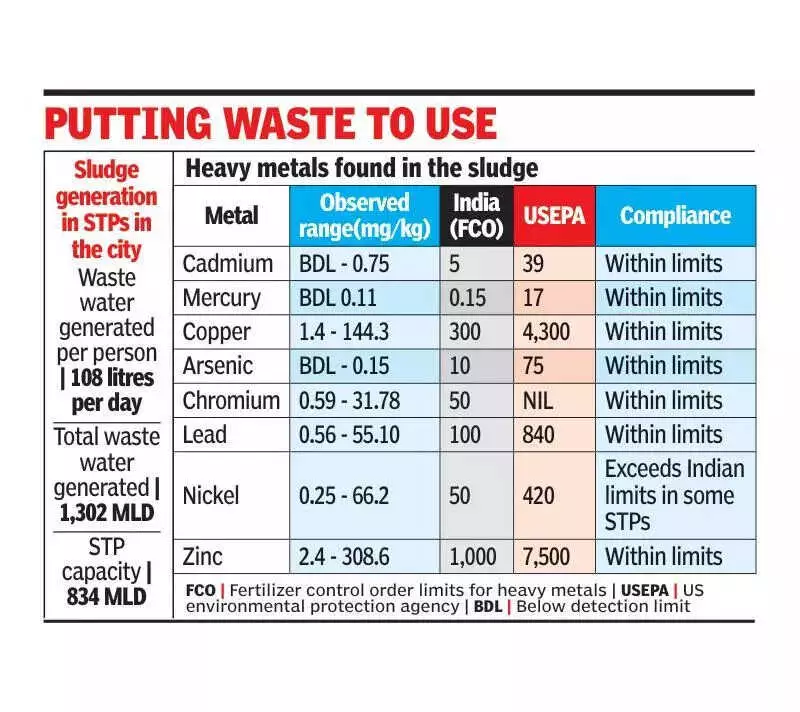
The research, published in the peer-reviewed journal 'Environmental Monitoring and Assessment' by Springer Nature, challenges a common urban assumption. S Kanmani, head of the civil engineering department at CEG and a study author, stated that the perception of heavy metals being the main obstacle to reuse was overturned. The study found that metals like lead, nickel, chromium, zinc, cadmium, mercury, copper, and arsenic were within the compliance limits set by both Indian and international standards.

The Pathogen Problem and Safe Reuse Solutions
However, the raw sludge presents a significant biological hazard. Researcher K Saranya highlighted that while faecal coliform levels were acceptable, Salmonella species and helminth eggs were found far above permissible limits. This makes untreated sludge entirely unsafe for any agricultural application.
To enable safe reuse, the study recommends specific treatment methods to bring down pathogen contamination. These include:
- Thermophilic composting
- Lime stabilization
- Thermal drying
After such heat-based treatments, the sludge becomes suitable for non-food agriculture, gardening, and landscaping.
Important Limitations and Environmental Warnings
The researchers issued clear cautions. The treated sludge should not be used for food crops. Even though heavy metal concentrations are within norms, their potential accumulation over time could pose a long-term threat. Saranya further warned that using untreated sludge for agriculture or landscaping risks polluting both groundwater and soil.
This study provides a science-backed pathway for Chennai to transform a waste product into a resource for urban greening, while emphasizing critical safeguards to protect public health and the environment.