Chennai's Urban Heat Crisis: 12 Wards Identified as Extreme High-Risk Zones
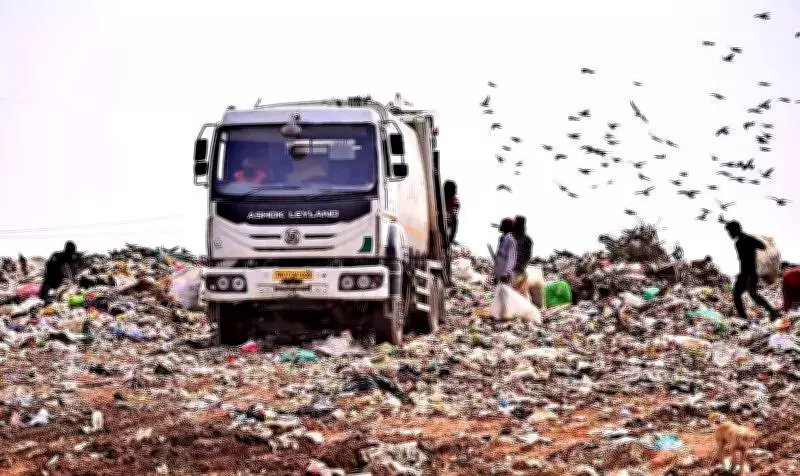
A recent urban heat assessment conducted by the Tamil Nadu Green Climate Company and NGO ICLEI has pinpointed at least 12 wards within Chennai as extremely high heat zones. These areas, which include neighborhoods surrounding the Kodungaiyur and Perungudi dumpyards, Chennai Airport, Koyambedu market, and Ambattur Industrial Estate, are facing severe heat risks due to urbanization and environmental factors.
High Heat Risk Index and Population Impact
Several of these wards are among the 50 wards, representing 25% of the Greater Chennai Corporation (GCC) limits, classified with a very high Heat Risk Index in 2024. Alarmingly, these wards account for nearly 30% of GCC's total population while covering only 12% of the city's area. The Heat Risk Index is calculated based on three critical components: hazard, which refers to high land surface temperature; exposure, indicating population concentration; and vulnerability, assessing the capacity to cope with heat stress.
Causes of Intensified Urban Heat
The report, titled 'Urban Heat Island Assessment and Strategic Guidelines for Urban Cooling' and launched at the Tamil Nadu Climate Summit 4.0, attributes the elevated heat levels to dense urbanization. Key factors include expansive impervious surfaces, decomposing waste that generates additional heat, and limited green buffers around landfill sites. These conditions have significantly amplified land surface temperatures (LST) and intensified the Urban Heat Island effect, where urban areas experience higher temperatures than their rural surroundings.

The report emphasizes the urgent need to reduce landfill operations and convert existing landfills into green spaces through bio-remediation to mitigate urban heat. It also recommends integrating cooling infrastructure, such as tree-lined buffers, reflective materials, cool roofs, and green roofs, into industrial development plans to combat rising temperatures effectively.
Specific Temperature Increases in Key Areas
Areas around the Kodungaiyur dumpyard (Ward 37) and the Perungudi landfill (Ward 189) have recorded significant LST increases between 2016 and 2024. In Ward 37, maximum LST rose from 33.32°C to 36.33°C, while in Ward 189, it increased from 33.16°C to 35.09°C. Together, these two dumpsites hold nearly 94 cubic meters of legacy waste, with about 80% of newly generated waste still being dumped there, exacerbating the heat issue.
Similar warming trends were observed near CMBT and Koyambedu market (Ward 127), where maximum LST increased from 32.37°C to 34.37°C. Around Ambattur Industrial Estate, maximum LST rose from 32.5°C to 35.1°C in Ward 84 and from 33.4°C to 35°C in Ward 86. This temperature rise coincides with the growth in Micro, Small, and Medium Enterprise (MSME) units in the area, highlighting the impact of industrial expansion on local climate conditions.
Recommendations for Mitigation
To address these challenges, the report advocates for several mitigation strategies, including:
- Tree plantations and the creation of micro-forests to enhance green cover.
- Implementation of shading structures to reduce direct sunlight exposure.
- Use of reflective pavements to lower surface temperatures.
- Restoration of water bodies to improve cooling through evaporation.
These measures aim to reduce the Urban Heat Island effect and protect vulnerable populations from the adverse effects of extreme heat, ensuring a more sustainable and resilient urban environment for Chennai's residents.