Six years after extensive restoration work commenced, the Chitlapakkam lake in Chennai was formally inaugurated by the Water Resources Department (WRD) last week. However, the official opening has been overshadowed by serious ongoing concerns, with residents and activists highlighting that only about half of the ambitious ₹25 crore project has been finished, leaving the water body vulnerable to environmental and safety hazards.
A Lake Open, Yet Restricted
Spread across a vast 53 acres, Chitlapakkam lake is a popular spot drawing visitors from neighbouring areas like Chromepet and East Tambaram. During a recent visit, the site saw around 300 people enjoying the space—some walked on the newly paved paths, groups practised silambam, and others found quiet corners to read. The WRD's efforts in desilting and restoring parts of the lake are visible, but a major constraint limits public access.
Following the tragic drowning of two young boys in 2025, officials have barred entry to areas near the second and third inlet points. This safety measure has significantly reduced the usable public space, with only about half of the lake's full expanse currently accessible to visitors.

Persistent Environmental Threats
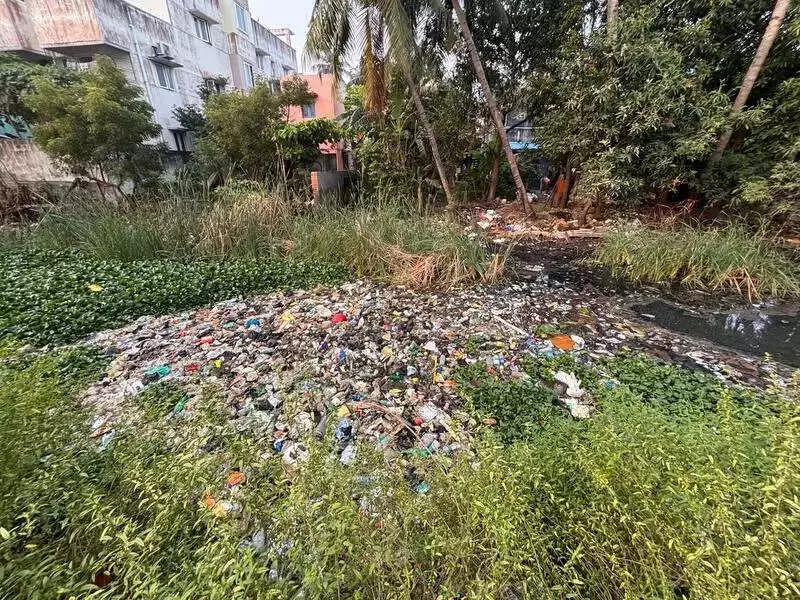
Beyond access issues, the lake continues to battle severe environmental threats. Near the lake's second inlet gate, illegal sewage discharge poses a constant danger. Residents report that dirty water from nearby residential buildings is being let into the crucial rainwater catchment area. At present, only a fragile earthen bund stands between this sewage and the lake's main water body.
"During heavy rainfall, sewage overflows directly into the lake," explained a local resident. The catchment area itself is clogged with plastic waste, compounding the pollution problem. This situation undermines the very purpose of the costly restoration project.
Calls for Systemic Solutions and Pending Work
Resident activist Dayanand Krishnan pointed to a recurring operational flaw. He stated that the manual operation of floodgates during monsoon seasons causes chaos and flooding. "Every year, officials manually close the floodgates, which leads to chaos when water overflows. The system should be upgraded to automated gates," Krishnan urged. He emphasized that "cleaning the lake alone is not enough; the rainwater catchment must be desilted properly, and all illegal discharges must be stopped."
Echoing the scale of unfinished work, Sunil Jayaram of the NGO Chitlapakkam Rising revealed that WRD officials themselves acknowledged nearly 30% of the work is still pending. "They are waiting for funds to be allocated in the interim budget," Jayaram said. He also highlighted the inadequate parking infrastructure, noting that the "space is very narrow and becomes slushy even on normal days, and worse during rains."
Despite the public inauguration, the lake's revival story remains incomplete. The community's call is clear: sustainable solutions and the release of necessary funds are critical to fully secure the future of Chitlapakkam lake. WRD officials were unavailable for comment despite repeated attempts to reach them.