India Adds Two New Wetlands to Prestigious Ramsar List Ahead of World Wetlands Day
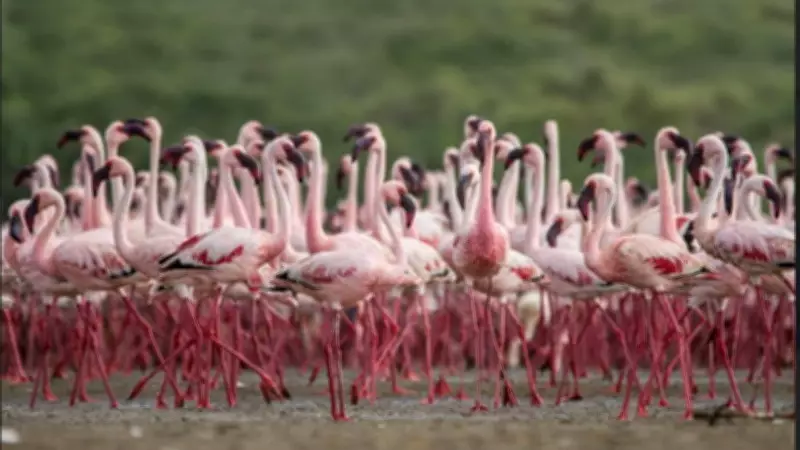
In a significant boost to India's environmental conservation efforts, two important wetlands have been designated as Ramsar sites of international importance. The Patna Bird Sanctuary in Uttar Pradesh's Etah district and Chhari-Dhand in Gujarat's Kutch district have received this prestigious recognition under the global Ramsar Convention.
Expanding India's Wetland Conservation Network
This latest addition brings India's Ramsar network to an impressive 98 sites, showcasing the country's growing commitment to wetland preservation. The announcement comes just ahead of World Wetlands Day on February 2, highlighting the timing of this environmental achievement.
Union Environment Minister Bhupender Yadav celebrated the recognition on social media platform X, stating: "The international recognition reflects India's strong commitment to protecting the environment and conserving its wetlands." The minister emphasized that these areas serve as crucial habitats for diverse wildlife including chinkara, wolves, caracal, desert cats, and desert foxes, in addition to supporting endangered bird species.

Chhari-Dhand: A Seasonal Saline Wetland Wonder
According to the Ramsar Convention secretariat's official note, Chhari-Dhand represents a unique seasonal saline wetland situated between the famous Banni grasslands and the salt flats of Kutch. This distinctive ecosystem serves as a vital wintering ground for numerous waterfowl species.
The wetland supports several notable bird populations including:
- Critically endangered sociable lapwing
- Vulnerable common pochard
- Approximately 30,000 common cranes annually
This concentration of migratory birds makes Chhari-Dhand an exceptionally important site for avian conservation in western India.
Patna Bird Sanctuary: A Biodiversity Hotspot
The Patna Bird Sanctuary wetland complex presents a different but equally valuable ecological profile. Consisting of freshwater marshes, woodlands, and grasslands surrounded by agricultural landscapes, this diverse habitat supports remarkable biodiversity.
The sanctuary's ecological significance is demonstrated by:
- 178 recorded bird species
- 252 documented plant species
- Designation as an Important Bird and Biodiversity Area by BirdLife International
The Ramsar secretariat note specifically highlighted that "Patna Bird Sanctuary is particularly important in supporting waterbird populations" and has earned international recognition through its IBA designation.
Understanding Ramsar Site Significance
The Ramsar Convention, established through an international treaty signed in Iran in 1971, provides a framework for the conservation and wise use of wetlands. Sites are selected based on specific ecological and biodiversity criteria, typically involving:
- Presence of vulnerable or endangered species
- Importance as critical bird habitats
- Unique ecological characteristics
National governments identify wetlands with higher ecological value and submit detailed information sheets demonstrating how these sites meet Ramsar criteria. The convention's secretariat then reviews this information, ensuring that data and mapping meet established standards before officially recognizing sites.
Conservation Commitments and Future Protection
Once designated as Ramsar sites, these wetlands receive enhanced protection status requiring sustainable management practices to prevent ecological degradation. This recognition brings international attention and responsibility for preserving these vital ecosystems.
India's journey with the Ramsar Convention began in 1982 when the country became a signatory. Since then, the nation has steadily expanded its network of protected wetlands, demonstrating growing environmental stewardship. The addition of these two sites represents another step forward in India's commitment to global biodiversity conservation goals.

The timing of this announcement, just before World Wetlands Day, serves to highlight the importance of wetland ecosystems in maintaining biodiversity, supporting wildlife, and contributing to environmental balance. As climate change and development pressures continue to threaten natural habitats, such recognitions become increasingly crucial for focused conservation efforts.