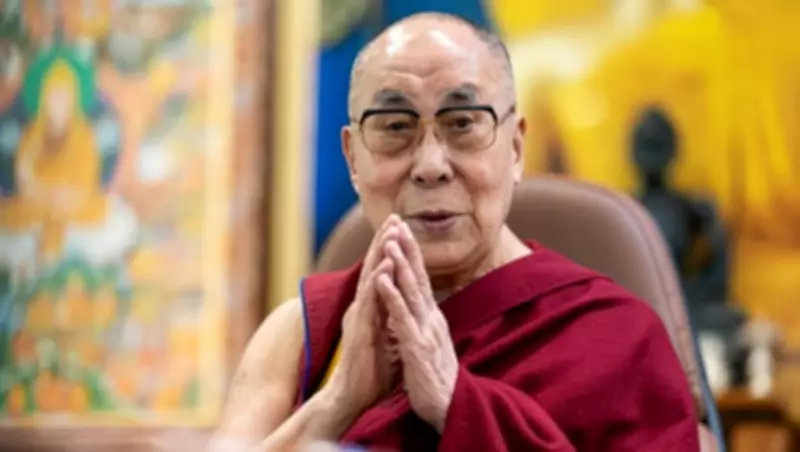
China Voices Strong Opposition to Dalai Lama's Grammy Recognition
The Chinese government has issued a formal criticism of the Grammy Awards following the presentation of an award to the Dalai Lama, Tenzin Gyatso, during the 68th annual ceremony held in Los Angeles. Chinese officials have characterized this recognition as an unwarranted interference in China's internal affairs and a violation of established diplomatic protocols.
Historic Grammy Win for Tibetan Spiritual Leader
On Sunday, the Dalai Lama achieved a significant milestone in his public life by winning his first Grammy Award. The honor was bestowed in the category of best audio book, narration, and storytelling recording for his spoken-word album titled Meditations: The Reflections of His Holiness the Dalai Lama. This recognition marks a notable moment in the intersection of spiritual leadership and mainstream cultural acknowledgment through prestigious international awards.
Beijing's Firm Stance on Sovereignty Issues
Chinese authorities have consistently maintained that the Dalai Lama represents what they describe as separatist elements seeking to undermine China's territorial integrity. The Grammy Award has been met with official statements from Beijing emphasizing:

- Opposition to external recognition of figures China considers divisive
- Protection of national sovereignty and territorial claims
- Rejection of cultural platforms being used for political statements
This incident highlights the ongoing tension between China's domestic policies and international cultural institutions that occasionally honor figures Beijing views as controversial.
International Cultural Awards and Geopolitical Implications
The Grammy Awards, traditionally focused on artistic achievement, have occasionally found themselves at the center of geopolitical discussions when honoring individuals with complex political backgrounds. This latest development demonstrates how cultural recognition can become entangled with broader international relations and diplomatic sensitivities.
Observers note that such incidents often reflect the challenging balance between artistic freedom and political considerations in global cultural exchanges. The response from China underscores the importance Beijing places on controlling narratives about figures it considers central to national unity concerns.
As cultural institutions continue to operate in an increasingly interconnected world, the intersection of artistic recognition and international politics remains a delicate area requiring careful navigation by all parties involved.