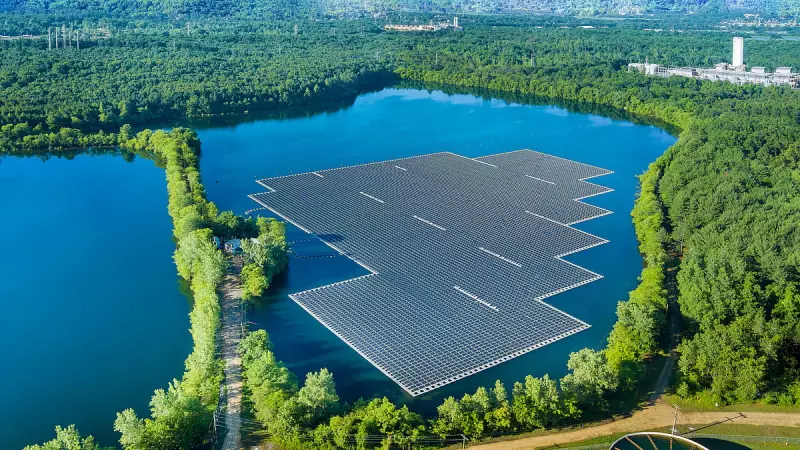
China, the world's largest energy consumer, is initiating a significant pivot in its energy strategy. This transformation is being propelled by two powerful forces: comprehensive reforms to its national power grid and a substantial, high-level endorsement of renewable energy sources. This dual approach aims to steer the nation's colossal energy system towards a more sustainable and low-carbon future.
The Dual Engines of Change: Grid Modernisation and Policy Push
At the heart of this transition lies a critical overhaul of the country's electricity grid. The existing infrastructure, historically designed for stable power inputs from coal and hydro plants, must now evolve. The new grid reforms focus on enhancing flexibility and intelligence to manage the variable nature of solar and wind power. This involves significant investments in smart grid technology, ultra-high-voltage transmission lines to move clean energy from remote generation hubs to populous coastal cities, and improved energy storage solutions.
Simultaneously, there is a marked increase in official endorsement and policy support for renewables. The Chinese government has reinforced its commitments, setting ambitious targets for wind and solar capacity installations. This top-down mandate ensures that renewable projects receive priority in planning, financing, and grid connection, accelerating their deployment across the nation.

Implications for the Global Energy Landscape
China's green switch carries profound consequences, both domestically and internationally. Internally, it signals a move to address severe air pollution and meet its own climate pledges, including the goal to achieve carbon neutrality before 2060. A successful transition could reduce the nation's heavy reliance on imported fossil fuels, enhancing energy security.
On the global stage, China's actions are a decisive factor in the fight against climate change. As the leading installer of renewable energy capacity, its accelerated shift can lower the global cost of technologies like solar panels and wind turbines through economies of scale. However, it also places pressure on other major economies to match the pace of this energy transformation. The scale of China's investment and implementation will directly influence the world's ability to meet international climate targets set in agreements like the Paris Accord.
Challenges and the Road Ahead
Despite the strong policy momentum, the path is not without obstacles. Integrating a massive volume of intermittent renewable power poses technical challenges for grid stability. There are also economic and social considerations, such as managing the phase-down of the traditional coal sector, which employs millions. The success of this green switch in China's energy order will depend on balancing these reforms with economic stability and social equity.
Analyst Bhumika Sevkani, in her perspective dated 25 December 2025, highlights that this period marks a pivotal restructuring. The combined effect of grid reform and increased endorsement of renewables is creating a new energy paradigm for the country. The world watches closely as China attempts to rewrite its energy rulebook, an endeavour that will reshape global energy markets and environmental prospects for decades to come.