In a significant policy shift, India's apex air quality regulator has postponed a crucial clean-fuel mandate for delivery and cab aggregator fleets operating in the National Capital Region (NCR). The decision comes at a time when the region is grappling with hazardous air quality levels, highlighting a growing conflict between environmental goals and the operational challenges of the platform economy.
Regulatory Rollback Amid Pollution Peak
The Commission for Air Quality Management (CAQM), under the Ministry of Environment, Forest and Climate Change, issued an amendment on 23 December 2025 that effectively defers a previous mandate. The earlier rule, notified in June, had barred fleet operators from adding new petrol or diesel vehicles, compelling a full transition to electric or other clean-fuel options.
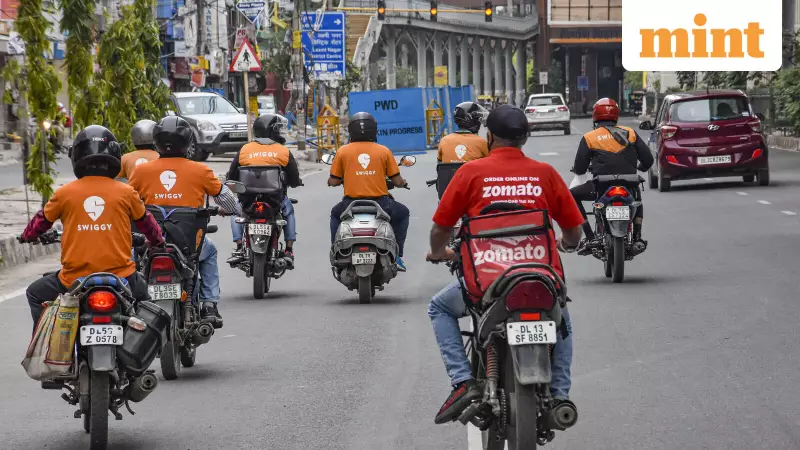
The latest amendment dilutes this requirement, permitting companies like Zomato, Swiggy, Rapido, Ola, and Uber to continue inducting BS-VI compliant petrol two-wheelers into their fleets until 31 December 2026. This one-year extension was granted following representations from aggregator platforms and gig workers, who cited practical difficulties in achieving a complete transition within the original timeframe.

This relaxation was notified even as the NCR witnessed severe air pollution, with the Air Quality Index (AQI) surpassing 400 in several areas. The CAQM itself acknowledged the transport sector's "significantly high contribution" to the region's annual pollution load, particularly during winter.
The Electrification Gap and Gig Worker Realities
Data reveals a substantial gap between policy targets and ground reality. Under the Delhi Motor Vehicle Aggregator and Delivery Service Provider Scheme, 2023, the target for two-wheeler electrification was set at 50% within two years. However, current estimates show that only 9% of the two-wheelers used in these fleets are high-speed electric vehicles.
The CAQM notification pointed to the "non-registration of an adequate number of gig workers with high-speed EV two-wheelers" as a primary reason for missing the target. A major hurdle is the lack of a distinct commercial registration category for delivery two-wheelers, forcing platforms to rely on riders' personal vehicles.
Anjalli Ravi Kumar, Chief Sustainability Officer at Zomato, stated that the extension was necessary for a worker-friendly transition. "Millions of Indians support their families from their delivery earnings using existing personal two-wheelers," she said, emphasizing the need for a shift that balances livelihood protection with air quality improvement.
Broader Implications for Clean Mobility
The rollback underscores the complex challenges in decarbonizing India's rapidly growing platform-led mobility sector. Amit Bhatt, India Managing Director of the International Council on Clean Transportation, argued that a clear, mandatory EV policy is essential to create a level playing field and prevent fragmented adoption.
"Moving to cleaner vehicles requires upfront investment, raising concerns around delivery costs," Bhatt noted. He stressed that voluntary measures are often insufficient to drive large-scale change.
According to Vahan portal data, only about 6,300 electric motor cabs
The industry now has a one-year window to accelerate the transition. Success will depend on parallel progress in EV affordability, accessible financing, and the expansion of charging and battery-swapping infrastructure. How this tension between public health imperatives and economic practicality resolves will set a critical precedent for urban clean air initiatives across India.