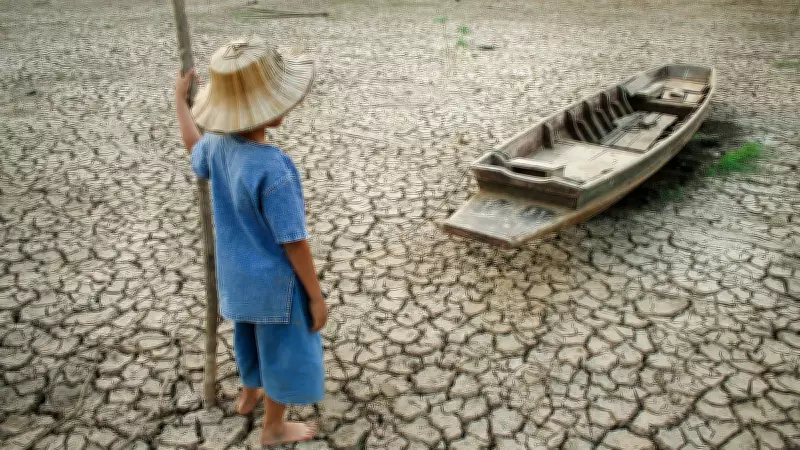
Between 2026 and 2040, the world is likely to change drastically, not only through climate change but also through land degradation, water scarcity, pollution, and other environmental crises. This pressing reality demands a fundamental shift in how we educate the next generation.
The Limitations of Fact-Based Learning
Traditional climate change education often focuses on presenting facts, figures, and scientific data. While these are important, they are insufficient to prepare students for the complex, interconnected challenges ahead. Rote memorization of carbon emission statistics or temperature rise projections does not equip young minds with the critical thinking, problem-solving skills, and emotional resilience needed to navigate a rapidly changing world.
Moving Beyond Statistics
Educators must go beyond dry numbers and instead foster a deeper understanding of the systemic nature of environmental issues. This includes exploring the social, economic, and political dimensions of climate change. For instance, students should learn how land degradation affects food security, how water scarcity can lead to conflict, and how pollution disproportionately impacts vulnerable communities.

Integrating Interdisciplinary Approaches
Effective climate education should be interdisciplinary, combining science with geography, economics, ethics, and civic engagement. Project-based learning, where students investigate local environmental problems and propose solutions, can make the subject tangible and actionable. Such approaches encourage collaboration and innovation, preparing students to become active problem-solvers rather than passive recipients of information.
The Role of Emotional Engagement
Climate change can be overwhelming, leading to anxiety or apathy. Educators must address the emotional aspects by providing hope and agency. Sharing stories of successful community initiatives, restoration projects, or policy changes can inspire students. Creating a supportive classroom environment where students can express their fears and ideas is crucial for building resilience and a sense of purpose.
Preparing for a Changing World
Between 2026 and 2040, the effects of climate change will intensify, affecting every aspect of life, from health and livelihoods to migration and global stability. Education systems must adapt by teaching skills such as adaptability, systems thinking, and sustainable living. Schools can also serve as models by implementing green practices, reducing waste, and using renewable energy.
A Call to Action
Governments, educators, and communities must collaborate to redesign curricula that prioritize climate literacy and action. Teacher training programs should include climate science and pedagogical strategies for engaging students. Parents and local organizations can reinforce learning through environmental stewardship activities. The goal is to create a generation that is not only informed but also empowered to build a more sustainable and equitable world.
Climate change education must evolve from a mere transfer of information to a transformative experience that equips students with the knowledge, skills, and values to thrive in an uncertain future. The time to act is now, as the decisions made today will shape the world of tomorrow.