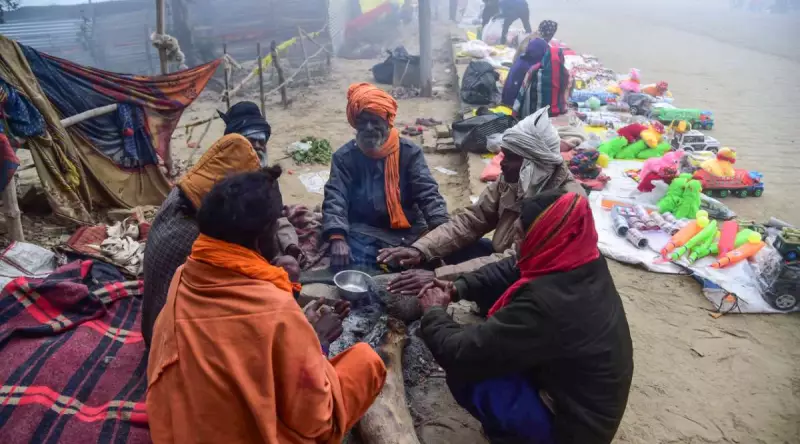
The national capital, Delhi, officially recorded its first cold day of the year 2026 on Monday, January 6th, marking a significant dip in temperatures as winter tightens its grip across North India. The India Meteorological Department (IMD) has responded to the prevailing conditions by issuing a cold wave warning for a vast swathe of the country, covering as many as 13 states.
IMD's Extensive Cold Wave Alert and Affected Regions
According to the weather authority's bulletin, the cold wave to severe cold wave conditions are expected to persist over several regions for the next few days. The warning is active for parts of Punjab, Haryana, Chandigarh, Delhi, and Uttar Pradesh. Furthermore, cold wave conditions are also forecast for isolated pockets in Himachal Pradesh, Uttarakhand, Madhya Pradesh, Chhattisgarh, Bihar, Jharkhand, Odisha, and West Bengal.
The IMD classifies a 'cold day' when the minimum temperature is 10 degrees Celsius or below and the maximum temperature is at least 4.5 degrees Celsius below the normal. A 'cold wave' is declared when the minimum temperature dips to 10 degrees Celsius or lower in the plains and is 4.5 to 6.4 degrees Celsius below the normal. The current situation meets these criteria in the warned regions, prompting the advisory.

Delhi's Weather Data and Recorded Temperatures
In Delhi, the Safdarjung observatory, which serves as the city's base weather station, reported a maximum temperature of only 15.8 degrees Celsius on January 6th. This was a substantial 7 degrees below the season's average normal maximum temperature. The minimum temperature settled at 7.2 degrees Celsius, which is also below the normal mark for this time of year. This combination of a significantly low day temperature alongside a chilly night qualified the day as the season's first official 'cold day'.
The Ridge area and the Ayanagar weather station recorded even lower maximums at 14.6 degrees Celsius and 14.8 degrees Celsius respectively. The Lodhi Road observatory noted a high of 16.2 degrees Celsius. These readings collectively indicate a widespread cooling effect over the capital and its adjoining areas.
Forecast, Precautions, and Broader Impact
The IMD's forecast suggests that similar cold day conditions are likely to continue in Delhi and the National Capital Region (NCR) for the next two to three days. Dense to very dense fog is also predicted in the morning hours across several northern states, which could severely impact visibility and disrupt road, rail, and air travel. The combination of cold waves and fog poses significant health risks, especially for vulnerable populations such as the elderly, children, and those with pre-existing respiratory conditions.
Authorities have advised citizens to take necessary precautions, including wearing warm clothing in layers, avoiding prolonged exposure to the cold, and staying updated with the latest weather bulletins. The advisory is particularly crucial for outdoor workers and people living in temporary shelters. The extreme cold can also affect agriculture, with potential damage to certain winter crops if protective measures are not taken.
The issuance of a cold wave warning for 13 states so early in January underscores the intensity of the winter season this year. It activates disaster management protocols in many states, ensuring the readiness of shelters and the distribution of relief materials like blankets in affected areas. Residents across the warned regions are urged to heed official advice and prepare for a prolonged spell of chilly weather, as the mercury is expected to remain low for the coming week.