India is set to experience a notably colder January than usual, a climatic shift that meteorologists say will significantly benefit the country's crucial winter crop production. The India Meteorological Department (IMD) has forecast lower-than-normal minimum temperatures across most of the nation's key agricultural plains throughout the month.
IMD's Detailed Forecast and Regional Impact
The weather office's latest update indicates that minimum temperatures are likely to be below normal over most parts of the country, except for some areas in northeast India and the extreme southern peninsula. This widespread cooling is a positive signal for farmers who have been nurturing their rabi, or winter-sown, crops. The cold conditions are particularly vital for the grain development stage of wheat, which is India's primary winter crop.
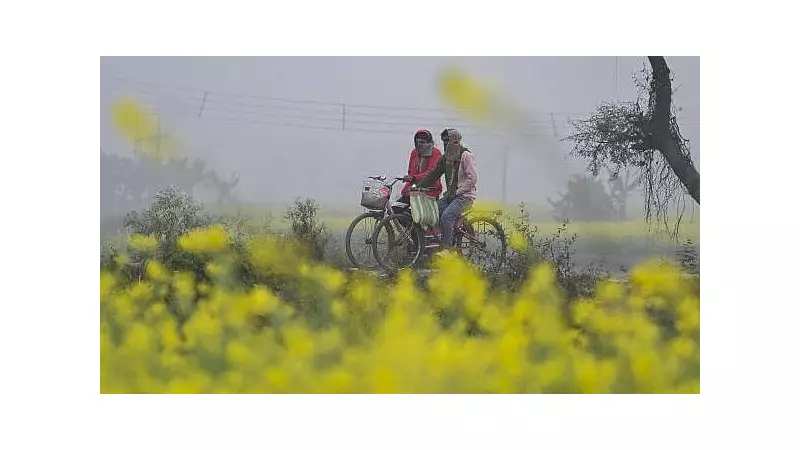
This forecast follows a December that presented a mixed bag for farmers. While the month saw above-normal minimum temperatures in many regions, it was also marked by widespread and beneficial fog and cold day conditions over the northern plains. The IMD noted that these cold days and dense fog episodes were frequent in Punjab, Haryana, Delhi, and parts of Uttar Pradesh and Bihar, creating a suitable environment for crop hardening.

A Respite for Key Rabi Crops and Food Security
The anticipated cold spell in January comes as a major relief for several important crops. Wheat, mustard, and chickpeas (chana) are among the primary rabi crops that thrive in cooler temperatures. Cold weather helps wheat plants grow stronger, improves grain filling, and ultimately leads to higher yields and better quality grain.
This positive outlook is crucial for India's food security and economic stability. A strong rabi harvest, following a robust monsoon-driven kharif season, helps ensure ample food grain stocks. It can also contribute to moderating food prices, a key concern for policymakers battling inflation. The government is closely monitoring the situation, as a good harvest can ease pressure on imports and strengthen domestic supply chains.
Broader Weather Patterns and the Road Ahead
The IMD's analysis connects the upcoming cold January to larger atmospheric patterns. The weather office stated that the current global climate indicators, including conditions in the Pacific Ocean, do not favor unseasonal warmth. Furthermore, the prevalence of cold wave and cold day conditions is expected to continue over northern parts of the country during the first half of January.
While the cold is largely beneficial, the IMD also cautions about associated weather events. Dense to very dense fog is likely to persist in the morning hours over parts of Punjab, Haryana, Uttar Pradesh, and Bihar during the first week of the month. This can impact transportation and daily life, even as it benefits crops. Farmers and authorities are advised to stay updated with local weather advisories to manage both the opportunities and challenges presented by this forecast.
In summary, the meteorological signals point towards a productive period for India's agricultural heartland. The expected dip in January temperatures sets the stage for a potentially bountiful rabi harvest, offering optimism for millions of farmers and the nation's broader economic health.