

Colombia's Unusual Environmental Crisis: The Legacy of Pablo Escobar's Hippos
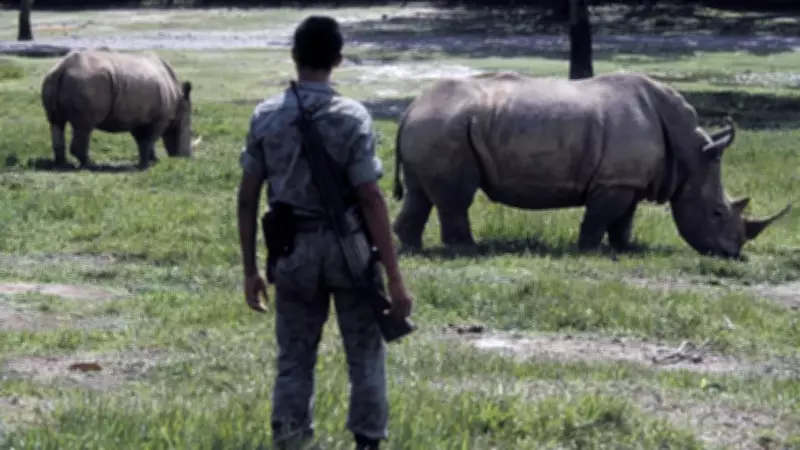
What began as a bizarre symbol of excess in a notorious drug lord's private zoo has evolved into one of South America's most unusual and pressing environmental crises. Deep within Colombia's river systems, hundreds of hippos, descendants of animals illegally imported by Pablo Escobar, now roam freely, thousands of miles from their native Africa. Their numbers have surged dramatically over the decades, transforming them from a curious oddity into a growing ecological and public safety concern that demands urgent attention.
The Controversial Decision to Cull Escobar's Hippos
Colombian authorities have recently approved a highly controversial plan to kill up to 80 of these invasive animals, igniting fierce debate between conservationists, scientists, and animal rights activists. This decision represents the latest chapter in the complex story of what should be done with Escobar's unlikely and dangerous legacy—a legacy that continues to shape Colombia's environment in unexpected ways.
How Hippos Ended Up in Colombia: The Escobar Connection
In the 1980s, Pablo Escobar constructed a lavish estate known as Hacienda Nápoles, complete with a private zoo filled with exotic animals imported from around the world. Among these were four African hippos, a species completely foreign to South American ecosystems. At the time, these massive creatures served merely as part of Escobar's extravagant display of wealth and power, with little consideration given to potential long-term consequences.

Following Escobar's death in 1993, Colombian authorities seized the estate and relocated many animals to proper zoos. However, the hippos were left behind because transporting them was deemed too difficult and dangerous. Over time, they escaped into nearby rivers and wetlands, particularly the Magdalena River basin. The region's warm climate, abundant water resources, and complete lack of natural predators created ideal conditions for the animals to thrive, allowing them to reproduce at unexpected rates and gradually expand their territory far beyond the original estate boundaries.
Why Colombian Authorities Are Taking Drastic Action
The decision to cull the hippos stems from mounting environmental and safety concerns that have developed over recent years. Current estimates suggest more than 150 hippos now roam freely throughout Colombia, and without intervention, scientists warn this number could skyrocket to several hundred within coming decades. These animals are not merely multiplying—they are actively altering the ecosystems they inhabit through several mechanisms:
- Environmental Impact: Hippos spend significant time in water, and their waste substantially changes the chemical composition of rivers and lakes, reducing oxygen levels and harming aquatic life
- Ecological Competition: They compete with native species for food and habitat, putting additional pressure on animals already part of Colombia's delicate ecological balance
- Public Safety Risks: Hippos are highly territorial and can be extremely aggressive when threatened, leading to increasing encounters with villagers, farmers, and fishermen
Authorities argue that culling a portion of the population represents a necessary step to prevent the situation from escalating further and causing potentially irreversible damage.
Why Alternative Solutions Have Proven Inadequate
Over the past decade, Colombia has explored several alternative population control methods, but each has presented significant challenges when implemented at scale:

- Sterilization Efforts: Require capturing and sedating massive, unpredictable animals followed by complex surgical procedures—a process that is risky, expensive, and limited in scope
- Relocation Proposals: Including sending animals to foreign sanctuaries, but moving hippos across continents presents logistical, financial, and health challenges with concerns about disease spread and animal stress
- Containment Challenges: The hippos have already spread across wide geographic areas, making confinement nearly impossible without extensive, costly infrastructure
Officials have concluded that while these alternatives may seem more humane in theory, they are insufficient to address the scale and urgency of the growing problem.
A Growing Ecological Dilemma with Far-Reaching Consequences
The presence of hippos in Colombia highlights broader issues surrounding invasive species and the unintended consequences of human actions. Unlike native wildlife, these animals have no natural role in local ecosystems, meaning their impact can be disproportionately disruptive. Their feeding habits, movement patterns, and waste production all contribute to environmental changes that native species are not adapted to handle.
Scientists warn that if the population continues growing unchecked, ecological damage could become more severe and potentially irreversible. Changes in water quality can affect fish populations, aquatic plants, and even the livelihoods of people who depend on these ecosystems. The situation is particularly complex because the hippos are thriving precisely because the Colombian environment suits them so perfectly, making their removal both urgent and exceptionally difficult.
Public Backlash and Ethical Concerns Surrounding the Culling Plan
The plan to kill dozens of hippos has sparked strong reactions across Colombia and internationally. Animal rights activists argue that the animals are innocent victims of human decisions made decades ago and should not be punished for simply surviving and reproducing. For many, the idea of killing healthy animals feels ethically troubling, especially when alternative solutions, however challenging, theoretically exist.
There is also a cultural dimension to the debate. In some regions, the hippos have become unexpected tourist attractions, generating income for local communities. For residents who have grown accustomed to their presence, the animals represent more than just an environmental problem—they have become part of local identity. This has created a significant divide between those prioritizing ecological preservation and safety, and those advocating for coexistence and humane treatment.
Escobar's Strangest Legacy: From Symbols of Wealth to Environmental Challenge
Decades after his death, Pablo Escobar's influence continues to shape Colombia in unexpected ways. The hippos he once kept as symbols of wealth have evolved into a real-world challenge blending environmental science, public policy, and ethics. What began with just four animals has grown into a population that is now impossible to ignore, presenting Colombia with difficult choices about managing problems created in the past.
Colombia's decision to cull part of the herd reflects the complex trade-offs governments sometimes face when dealing with historical environmental issues. It serves as a powerful reminder that actions taken for short-term gain can have long-lasting consequences, and that managing those consequences often involves navigating difficult decisions with no simple solutions.





