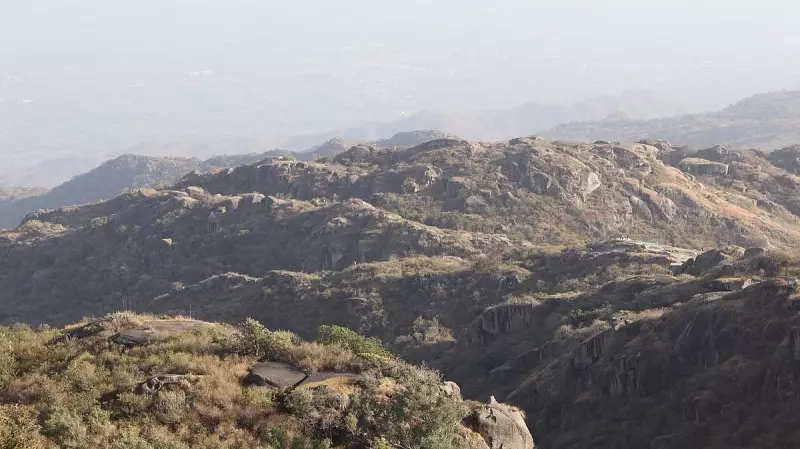
In a significant environmental development, a committee formed by the Ministry of Environment, Forest and Climate Change (MoEFCC) put forward a pivotal recommendation in October 2025. The panel suggested a change in the very definition of the Aravalli hills and ranges. This move aims to strengthen conservation efforts for what is considered the world's oldest mountain system.
The Core Recommendation and Its Timing
The proposal, which emerged in October 2025, centers on altering the legal and geographical parameters used to identify the Aravallis. The expert group operating under the MoEFCC believes that the current definition is insufficient to offer comprehensive protection to the entire ecological landscape. By redefining what constitutes the Aravalli hills, authorities hope to bring more areas under stringent regulatory safeguards, preventing unchecked mining, deforestation, and urban encroachment.
Why Redefinition is Seen as Necessary
The Aravalli range, stretching across several states, is a critical natural barrier against desertification and a vital biodiversity hotspot. However, its protection has been hampered by ambiguous boundaries and legal loopholes. The committee's initiative seeks to clarify these ambiguities. A new, scientifically robust definition would empower forest departments and planning bodies to enforce environmental laws more effectively. This step is viewed as essential to preserving the ancient mountain system's fragile ecology for future generations.

Potential Implications and the Road Ahead
The recommendation, while aimed at conservation, is expected to spark debate. A change in definition could impact land use patterns, real estate projects, and industrial activities in peripheral zones. Stakeholders, including state governments and local communities, will likely scrutinize the fine print of any new demarcation. The final decision rests with the MoEFCC and will involve inter-departmental consultations. If implemented, this redefinition could mark a turning point in India's approach to protecting its oldest geological heritage, setting a precedent for how other vulnerable ecosystems are managed.
The story underscores a growing recognition that to save ancient natural wonders, sometimes the maps and rulebooks need to be redrawn. The world will be watching how India balances developmental pressures with the imperative to conserve the ancient Aravallis.