

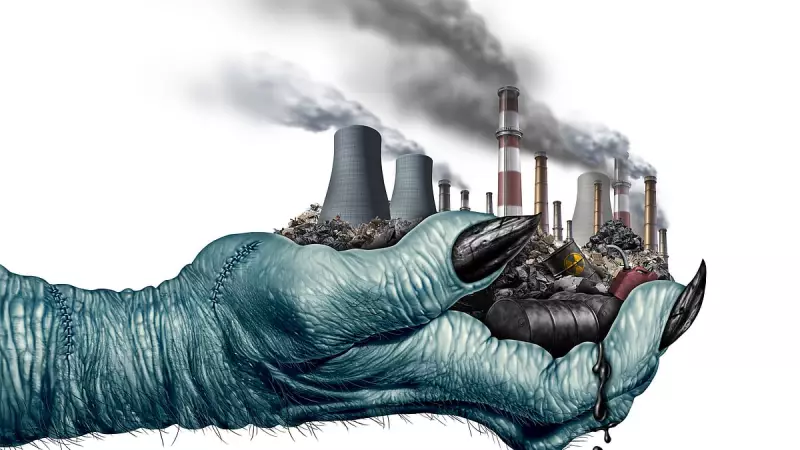
The upcoming COP30 climate conference is already showing signs of significant gridlock as nations remain deeply divided over the critical issue of fossil fuel phase-out timelines and implementation mechanisms. With less than a year before the crucial summit, preliminary negotiations reveal a landscape fractured by competing national interests and economic considerations.
The Core Conflict: Ambition Versus Practicality
At the heart of the deadlock lies the fundamental disagreement between developed and developing nations about how quickly the world should transition away from coal, oil, and gas. Wealthier countries are pushing for aggressive phase-out timelines, while many developing economies emphasize the need for financial support and technological assistance to make this transition feasible.
The debate extends beyond simple phase-out dates to include complex questions about financial mechanisms, technology transfer, and capacity building. Many nations that depend on fossil fuel revenues for their economic stability are expressing concerns about the social and economic impacts of rapid decarbonization.

Financial Mechanisms: The Unresolved Question
One of the most contentious issues revolves around climate finance. Developing countries are demanding substantial financial commitments from developed nations to support their transition to renewable energy sources. The discussion includes not only direct funding but also technology transfer agreements and capacity-building initiatives.
The existing $100 billion annual climate finance pledge remains insufficient to meet the scale of the challenge, according to multiple analyses. Many nations are calling for a new, more ambitious financial framework that reflects the actual costs of transitioning entire economies away from fossil fuel dependence.
Implementation Timelines and National Circumstances
Another major sticking point involves the recognition of different national circumstances and development stages. Some countries argue that one-size-fits-all approaches are fundamentally unfair and fail to account for varying levels of development, infrastructure, and economic dependency on fossil fuels.
The negotiations are grappling with how to create a framework that maintains global ambition while allowing for differentiated implementation pathways. This includes discussions about just transition mechanisms for workers and communities currently dependent on fossil fuel industries.
As the clock ticks toward COP30, the pressure mounts for negotiators to find common ground. The success or failure of these preliminary discussions could determine whether the world can maintain the momentum needed to address the climate crisis effectively. With scientific warnings growing increasingly urgent, the stakes for these negotiations have never been higher.






