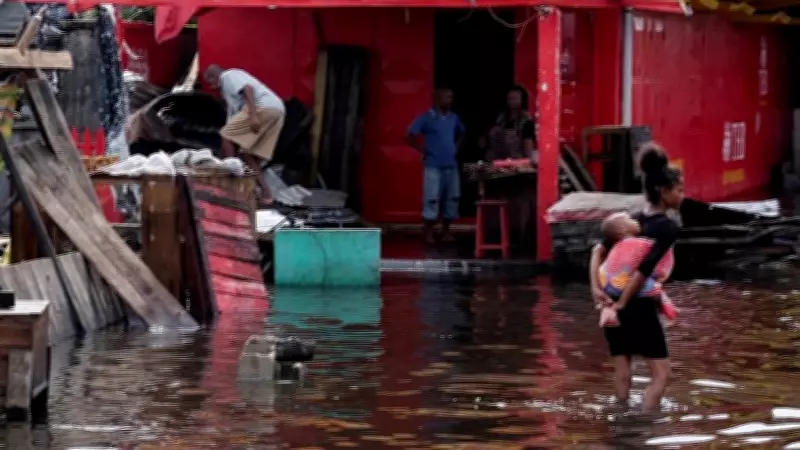
Cyclone Gezani Ravages Madagascar, Leaving Trail of Destruction and Death
The powerful Cyclone Gezani has unleashed catastrophic damage across Madagascar, with official reports confirming the tragic loss of at least 31 lives. The storm's ferocious winds and torrential rains have plunged communities into crisis, highlighting the vulnerability of this island nation to extreme weather events.
Toamasina Bears the Brunt of the Cyclone's Fury
According to the latest update from the National Bureau for Risk and Disaster Management (BNGRC), the coastal city of Toamasina has suffered the most severe impact. This major urban center, which serves as Madagascar's second-largest city and a critical economic hub, recorded a staggering 18 fatalities. The cyclone's relentless assault on Toamasina has exacerbated the challenges faced by its impoverished residents, many of whom lack adequate infrastructure to withstand such natural disasters.
Neighboring districts have also reported casualties, with two additional deaths confirmed in areas adjacent to Toamasina. The BNGRC's comprehensive assessment underscores the widespread nature of the devastation, as emergency teams scramble to provide aid and assess the full extent of the damage across affected regions.

Emergency Response and Ongoing Challenges
Madagascar's disaster management authorities are actively coordinating relief efforts in the aftermath of Cyclone Gezani. The BNGRC continues to monitor the situation closely, issuing regular updates to guide national and international response initiatives. The cyclone's timing and intensity have posed significant logistical hurdles, particularly in remote and hard-to-reach areas where infrastructure may have been severely compromised.
This tragic event adds to Madagascar's history of grappling with cyclonic storms, which frequently threaten the island's population and environment. The Indian Ocean region is known for its volatile weather patterns, and Madagascar's geographical location makes it particularly susceptible to such climatic extremes.
Broader Implications for Disaster Preparedness
The devastation wrought by Cyclone Gezani raises urgent questions about disaster resilience and preparedness in Madagascar. Key considerations include:
- Infrastructure vulnerabilities in urban centers like Toamasina, where rapid urbanization often outpaces safety measures.
- Community awareness and early warning systems that could mitigate future loss of life during similar events.
- International support and funding for disaster risk reduction initiatives in economically challenged nations.
As recovery operations proceed, the focus remains on providing immediate humanitarian assistance to survivors while laying the groundwork for more robust long-term strategies to combat the escalating threat of climate-related disasters in Madagascar and beyond.