

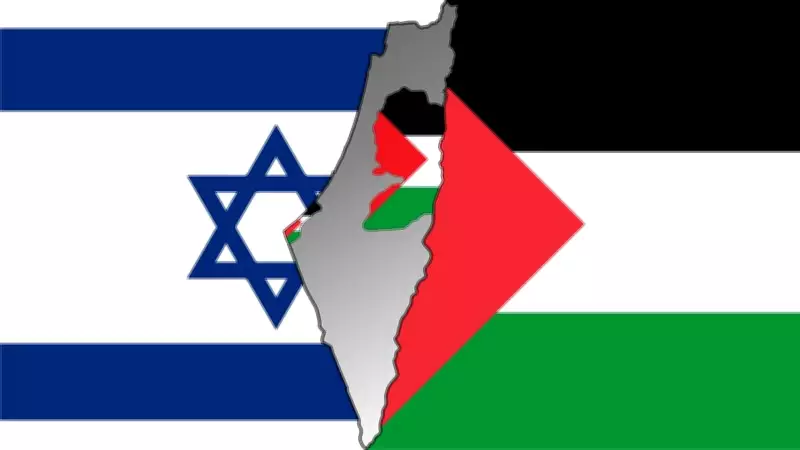
Decoding the Two-State Solution for Israel and Palestine
The two-state solution remains a pivotal and widely discussed framework for resolving the protracted conflict between Israel and Palestine. This proposal advocates for the establishment of two independent, sovereign states: Israel for the Jewish population and Palestine for the Palestinian people, coexisting side by side in peace and security. The concept has been a cornerstone of international diplomacy for decades, yet its implementation has faced numerous obstacles, making it a topic of intense debate and analysis.
Historical Context and Evolution
The origins of the two-state solution can be traced back to the United Nations Partition Plan of 1947, which proposed dividing the British Mandate of Palestine into separate Jewish and Arab states. While Israel accepted this plan and declared independence in 1948, Arab states and Palestinian leaders rejected it, leading to the first Arab-Israeli war. Over the years, the idea resurfaced in various peace initiatives, such as the Oslo Accords in the 1990s, which aimed to pave the way for Palestinian self-governance and eventual statehood. However, subsequent negotiations have often stalled due to issues like borders, security, and the status of Jerusalem.
Key Challenges and Obstacles
Implementing the two-state solution is fraught with complexities. One major hurdle is the dispute over territory, including the West Bank, Gaza Strip, and East Jerusalem, which Palestinians seek for their future state. Israeli settlements in these areas have expanded over time, complicating land claims and raising concerns about the viability of a contiguous Palestinian state. Additionally, security concerns are paramount for Israel, which fears threats from militant groups, while Palestinians demand an end to occupation and the right of return for refugees. Political divisions within both Israeli and Palestinian leadership further hinder progress, with hardline factions often opposing compromise.

International Perspectives and Support
The international community, including the United Nations, European Union, and many Arab nations, has consistently endorsed the two-state solution as the most feasible path to peace. Recent diplomatic efforts, such as the Abraham Accords, have normalized relations between Israel and some Arab states, potentially creating new opportunities for regional cooperation. However, critics argue that without addressing core issues like refugee rights and Jerusalem's status, any agreement may be unsustainable. Global powers like the United States have played a mediating role, but shifting policies and priorities have sometimes led to inconsistent support.
Potential Pathways Forward
Despite the challenges, proponents of the two-state solution emphasize its potential to deliver lasting stability. Confidence-building measures, such as economic cooperation and security guarantees, could help bridge trust deficits. Some experts suggest a phased approach, starting with interim agreements on borders and governance, while others call for renewed multilateral negotiations involving regional actors. The role of civil society and grassroots movements in fostering dialogue cannot be overlooked, as they often push for peaceful coexistence from the ground up. Ultimately, achieving a two-state solution requires political will, compromise, and a commitment to mutual recognition and respect.
Conclusion: A Vision for Peace
The two-state solution represents a vision of peace where Israelis and Palestinians can live in dignity and security. While its realization seems distant amid ongoing conflicts and political deadlock, it remains a critical framework for any sustainable resolution. Decoding its intricacies involves understanding historical grievances, current realities, and the shared aspirations of both peoples. As the world watches, the pursuit of this solution continues to shape the future of the Middle East, highlighting the urgent need for innovative diplomacy and unwavering dedication to justice and peace.






