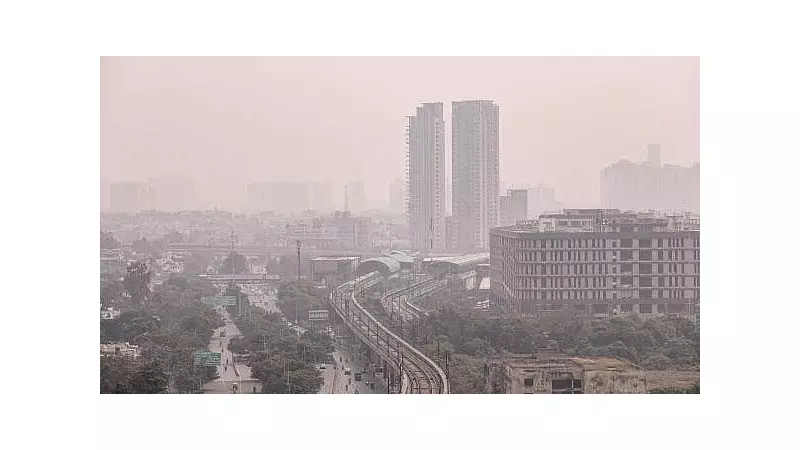
In a significant move to combat the deteriorating air quality in the national capital, authorities have decided to implement measures typically reserved for GRAP Stage IV under the current Stage III protocol. This unprecedented decision comes following a Supreme Court directive that allows for more flexible and stringent pollution control measures.
Supreme Court's Landmark Ruling
The Commission for Air Quality Management (CAQM) cited the Supreme Court's order of November 19, 2025 as the basis for this strategic shift. The apex court explicitly permitted both CAQM and the Central Pollution Control Board (CPCB) to impose stricter restrictions under the Graded Response Action Plan (GRAP) framework, taking into account the evolving pollution situation in Delhi and surrounding regions.
What This Means for Delhi Residents
The implementation of Stage IV measures under Stage III protocol represents a proactive approach to pollution control. While officially operating under Stage III of GRAP, the city will now experience restrictions that are typically reserved for more severe air quality conditions. This includes enhanced measures across various sectors including transportation, construction, and industrial operations.

Strict Enforcement and Monitoring
Authorities have emphasized that the enforcement of these measures will be rigorous and comprehensive. The changes are expected to take immediate effect following the imposition of GRAP Stage III with enhanced protocols. Monitoring teams will be deployed across the city to ensure compliance with the new restrictions, which aim to prevent further deterioration of air quality during the critical winter months.
The decision reflects the growing concern among environmental authorities and the judiciary about the persistent air pollution crisis in Delhi. By allowing the implementation of stricter measures ahead of schedule, the authorities hope to create a more responsive and effective system for protecting public health from the harmful effects of toxic air.