Delhi residents must brace for a potential deterioration in air quality as meteorological conditions are set to change. A fresh Western Disturbance approaching the region could worsen the pollution situation, prompting calls for the continuation of stringent control measures.
Political Call for Sustained Action
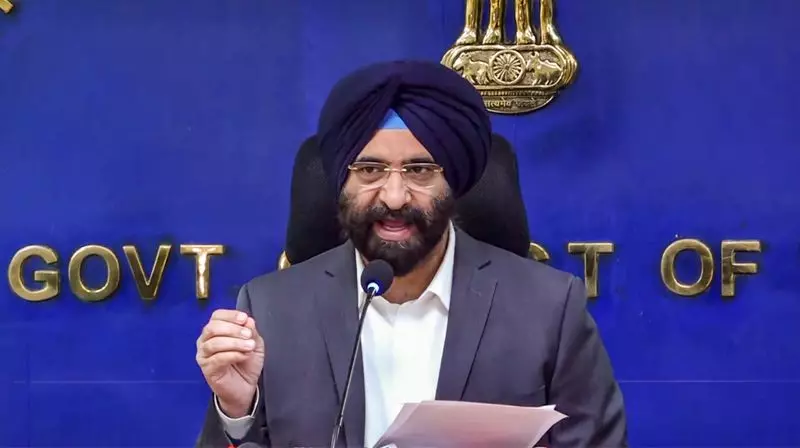
Bharatiya Janata Party leader Manjinder Singh Sirsa has issued a clear directive to the Delhi government. He emphasized that all existing pollution control measures must remain in force without any relaxation. This warning comes amid forecasts of changing weather patterns that threaten to reverse recent marginal improvements in the capital's air quality.
Sirsa, who also serves as the president of the Delhi Sikh Gurudwara Management Committee, pointed to specific meteorological data. He noted that a Western Disturbance is likely to affect the Himalayan region around April 4 and 5. This weather event is predicted to influence wind patterns over the plains, including Delhi, potentially leading to stagnant air conditions.

The Science Behind the Warning
The concern stems from a direct link between the Western Disturbance and local wind dynamics. When such a system affects the hills, the wind speed over the adjoining plains often decreases significantly. For a city like Delhi, which is grappling with particulate matter pollution, low wind speed is a major problem. It prevents the dispersion of pollutants, allowing them to accumulate in the air we breathe.
This scientific understanding forms the basis of the urgent advisory. The call to action is not merely precautionary but is based on anticipated environmental shifts that could create a public health hazard. The period of calm winds could undo the benefits gained from current anti-pollution efforts like water sprinkling and dust control at construction sites.
A Plea for Public Health
Manjinder Singh Sirsa's appeal underscores the ongoing battle for clean air in the national capital. His statement translates complex weather forecasts into a simple, actionable message for the administration: do not let your guard down. The health of millions of Delhi's citizens is at stake, especially vulnerable groups like children, the elderly, and those with pre-existing respiratory conditions.
The insistence on continuing all measures indicates that the current strategies, which may include the Graded Response Action Plan (GRAP) protocols, are considered vital shields against the impending atmospheric change. The message is clear – proactive and sustained governance is required to navigate this predictable environmental challenge, rather than reactive steps after the air quality index has already entered the 'severe' category.
As Delhi awaits the impact of the Western Disturbance, the spotlight is on the authorities to maintain vigilance. The coming days will test the resilience of the city's pollution control framework and the commitment of its leaders to prioritize long-term public wellness over short-term convenience.