

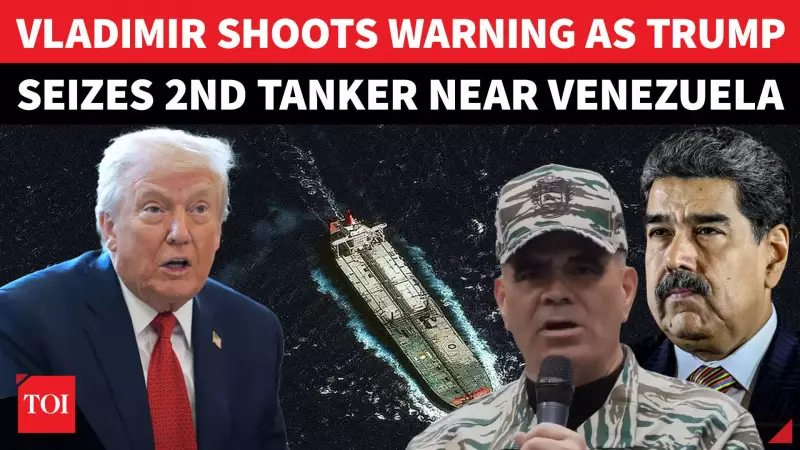
Venezuela has escalated its military readiness to the highest level, ordering a sweeping overhaul of its armed forces as confrontational rhetoric and pressure from the United States intensify. The dramatic move signals a significant hardening of Caracas's stance in the ongoing geopolitical standoff.
Military Restructuring and Civilian Mobilisation Ordered
Venezuelan Defence Minister, Vladimir Padrino López, made the pivotal announcement during a militia event in the capital, Caracas, on December 21, 2025. He declared a comprehensive restructuring of the Bolivarian National Armed Forces (FANB). In a directive that expands military preparedness into the civilian economy, Padrino López ordered every public and private company in the country to form combat units. The stated objective of these units is to protect national production from potential external threats.
Characterising the moment as an "awakening" within the military, the Defence Minister framed Venezuela's actions as a necessary defence. He warned that the nation would continue to face what he termed "imperial pressure" for as long as it pursues its political path, which he described as an anti-oligarchic and anti-imperialist project.

Roots of the Escalation: Trump's Vow and Maduro's UN Alarm
The Venezuelan military's heightened posture comes as a direct response to recent statements from Washington. The warning from Minister Padrino follows a vow from U.S. President Donald Trump to continue military operations in the Caribbean region. President Trump's condition for ceasing these operations is the return of assets that Washington claims were "stolen" by the Venezuelan state.
In reaction to this mounting pressure, Venezuelan President Nicolás Maduro has formally raised the alarm with the United Nations. Maduro has called for urgent international attention to what he describes as growing threats against the sovereignty and well-being of the Venezuelan people. This diplomatic move seeks to globalise the dispute and rally support against perceived American aggression.
A Region on Edge: Implications of the Standoff
The order for a nationwide military restructuring and the activation of civilian combat units marks one of the most assertive steps taken by the Venezuelan government in recent years. It reflects a strategy of total defence, blending military and civilian resources to deter foreign intervention. Analysts see this as a preparation for a protracted period of high tension.
The situation creates a volatile flashpoint in the Caribbean, with the potential to destabilise the region further. The call for UN intervention underscores the severity with which Caracas views the threats from the Trump administration. The world now watches to see if this escalation leads to a dangerous miscalculation or becomes a new, tense status quo in US-Venezuela relations.
The coming weeks will be critical. The effectiveness of Venezuela's military mobilisation, the international community's response to Maduro's UN appeal, and the next steps from the US administration will determine whether this crisis de-escalates or spirals further.






