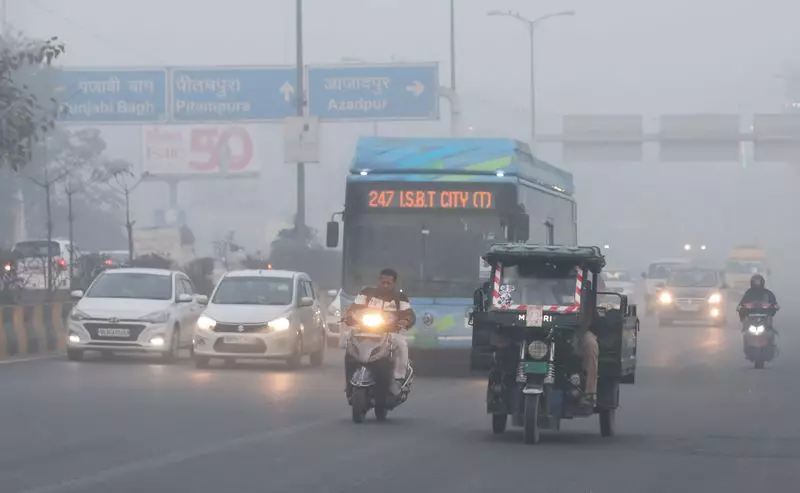
Delhi Residents Experience Relief as Rainfall Improves Air Quality to Moderate Levels
In a welcome development for the national capital, recent rainfall has brought significant improvement to Delhi's air quality, shifting it from poor to moderate levels. This change has provided much-needed respite to residents who have been grappling with hazardous pollution for weeks.
Rainfall Acts as Natural Air Purifier
The showers that swept across Delhi have effectively washed away particulate matter and pollutants from the atmosphere. Meteorological data indicates that the precipitation helped settle dust particles and dilute harmful gases, leading to a noticeable drop in the Air Quality Index (AQI).
Experts note that while the improvement is substantial, the air quality remains in the moderate category, which still poses health risks to sensitive groups. The temporary relief highlights the impact of weather patterns on urban pollution levels.

Current Air Quality Status and Monitoring
Monitoring stations across Delhi have recorded AQI values in the moderate range, typically between 101 and 200. This marks a significant improvement from the previous weeks when readings frequently crossed into the poor and very poor categories.
- Central Delhi areas show AQI around 150
- Residential zones report improved visibility and reduced smog
- Government agencies continue to monitor pollution levels closely
Environmental scientists emphasize that while rainfall provides temporary relief, long-term solutions require addressing emission sources and implementing sustainable policies.
Public Response and Health Implications
Delhi residents have expressed relief at the improved air conditions, with many reporting easier breathing and reduced respiratory discomfort. Health professionals advise that even moderate air quality can affect vulnerable populations, including:
- Children and elderly individuals
- People with pre-existing respiratory conditions
- Outdoor workers and athletes
The improvement comes as a timely break during the winter season when pollution typically peaks due to meteorological factors and increased emissions.
Looking Ahead: Sustainability of Improvement
While the current moderate air quality offers temporary respite, environmental agencies warn that without sustained efforts, pollution levels could deteriorate again. Factors that could influence future air quality include:
- Continued rainfall patterns
- Wind direction and speed
- Local emission control measures
- Agricultural burning in neighboring states
Authorities recommend that residents remain cautious and continue following air pollution advisories, as weather-dependent improvements may be short-lived.