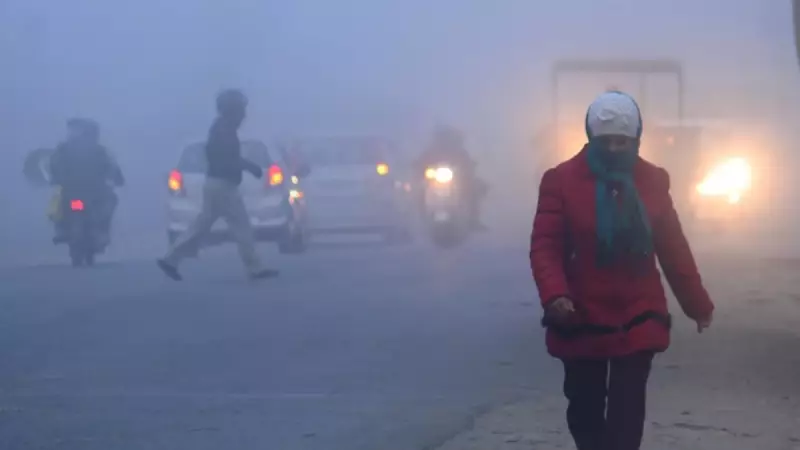
Delhi residents woke up to an intense and bone-chilling morning on Friday, January 12, 2026, as the national capital recorded its coldest day in over a decade. The mercury plummeted to a severe 2.9 degrees Celsius, marking the lowest minimum temperature the city has seen in the last 13 years.
IMD Sounds Alarm with Orange Alert
The India Meteorological Department (IMD) responded to the severe conditions by issuing an orange alert for Delhi. This alert signifies that severe weather conditions are in place and advises residents to be prepared. The IMD has forecast that the cold wave and dense fog will persist, with cold day conditions likely to continue for the next two to three days. Authorities are urging extreme caution, especially for vulnerable populations like the elderly, children, and those without adequate shelter.
Widespread Disruption and Record-Breaking Chill
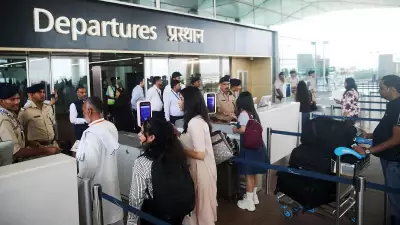
The extreme cold has severely disrupted daily life across the city. The iconic Safdarjung observatory, which serves as the city's primary weather station, confirmed the record low. The last time Delhi experienced such piercing cold was back in January 2013. The dense fog accompanying the cold wave has drastically reduced visibility, leading to significant delays in air, rail, and road travel. Several flights at the Indira Gandhi International (IGI) Airport have been delayed or rescheduled, causing inconvenience to hundreds of passengers.

Meteorologists attribute this intense cold spell to several factors, including clear skies, calm winds, and an influx of cold, dry north-westerly winds. These conditions have facilitated maximum radiative cooling, allowing heat to escape rapidly during the night and early morning hours.
Authorities Issue Crucial Safety Advisories
In light of the orange alert and dangerous conditions, government agencies and health experts have issued a set of important guidelines for the public:
- Avoid early morning and late evening outdoor activities when temperatures are at their lowest.
- Wear multiple layers of warm clothing, including hats, gloves, and scarves, to minimize exposure.
- Ensure proper ventilation if using indoor heaters to prevent gas leaks or fires.
- Stay hydrated and consume warm fluids and foods to help maintain body temperature.
- Check on elderly neighbors and relatives who may be more susceptible to the cold.
The biting cold has also raised concerns for the homeless population. Delhi government's night shelters have been directed to remain open and accessible 24 hours a day to provide refuge. As the city grapples with this extended period of severe cold, all eyes are on the IMD's forecasts for any sign of relief. For now, Delhiites are bundling up and bracing for more frosty mornings ahead.