

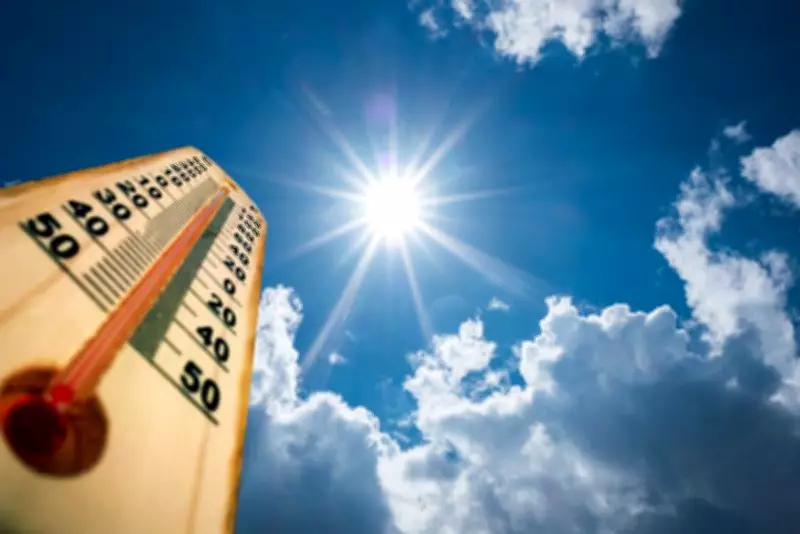
Delhi Scorches as Mercury Touches 40.1 Degrees Celsius
The national capital, Delhi, experienced intense heat on Wednesday, with the maximum temperature climbing to a blistering 40.1 degrees Celsius. This significant rise in mercury levels has triggered concerns among authorities and residents alike, highlighting the early onset of summer-like conditions in the region.
IMD Issues Yellow Alert for Heatwave Conditions
In response to the soaring temperatures, the India Meteorological Department (IMD) has officially issued a yellow alert for Delhi. This alert serves as a cautionary measure, indicating that the heatwave conditions are likely to persist and could pose health risks, especially to vulnerable populations such as the elderly, children, and outdoor workers.
The yellow alert is part of IMD's color-coded warning system, where yellow signifies be aware of the weather conditions. It advises people to stay hydrated, avoid direct sun exposure during peak hours, and take necessary precautions to prevent heatstroke and dehydration.

Weather Patterns and Forecast for Coming Days
According to meteorological experts, the sudden spike in temperature is attributed to dry westerly winds sweeping across northern India, coupled with clear skies that have allowed maximum solar radiation. The IMD forecast suggests that similar weather patterns are expected to continue over the next few days, with temperatures possibly hovering around the 40°C mark or even higher.
Key factors contributing to the heat include:
- Absence of cloud cover leading to increased sunlight penetration.
- Reduced moisture levels in the atmosphere.
- Urban heat island effect exacerbated by concrete structures and vehicular emissions.
Health Advisories and Public Safety Measures
Health officials have urged Delhi residents to adhere to safety guidelines to mitigate the impact of the heatwave. Recommended precautions include:
- Drinking plenty of water and fluids to stay hydrated throughout the day.
- Wearing light-colored, loose-fitting clothing made of breathable fabrics like cotton.
- Avoiding strenuous outdoor activities between 11 AM and 4 PM when the sun is at its peak.
- Using umbrellas, hats, and sunscreen to protect against harmful UV rays.
- Keeping an eye on symptoms of heat-related illnesses, such as dizziness, nausea, or excessive sweating, and seeking medical attention if needed.
Additionally, authorities have advised schools and workplaces to consider adjusting schedules or providing cooling facilities to ensure the well-being of students and employees.
Broader Context and Climate Considerations
This early heatwave in Delhi aligns with broader climate trends observed in recent years, where rising global temperatures have led to more frequent and intense heat events across India. Experts warn that such occurrences could become more common due to climate change, emphasizing the need for long-term strategies like urban greening, improved water management, and public awareness campaigns on heat resilience.
As the city braces for potentially hotter days ahead, the IMD continues to monitor the situation closely, with updates expected if conditions worsen. Residents are encouraged to stay informed through official weather bulletins and take proactive steps to safeguard their health during this period of elevated temperatures.






