

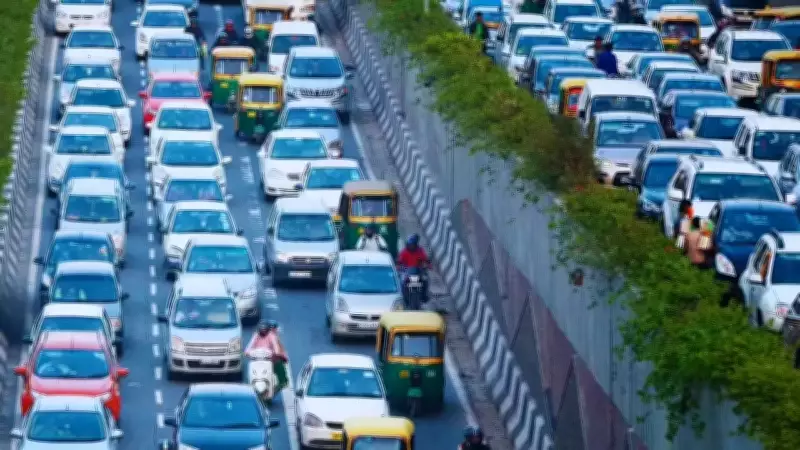
Expert Panel Recommends Phasing Out BS Vehicles in Delhi-NCR to Combat Air Pollution
An expert panel established by the Commission for Air Quality Management (CAQM) has drafted a comprehensive roadmap aimed at significantly reducing air pollution in the Delhi-National Capital Region (NCR). The panel, led by IIT Madras professor Ashok Jhunjhunwala, is expected to propose stringent measures targeting vehicular emissions, which are a major contributor to the region's poor air quality.
Immediate and Long-Term Vehicle Phase-Out Proposals
The draft roadmap suggests the immediate exit of BS-I, BS-II, and BS-III vehicles from Delhi-NCR roads. Additionally, it recommends phasing out BS-IV vehicles over the next five years. For newer models, the panel proposes withdrawing BS-VI two-wheelers by 2035 and BS-VI cars by 2040, allowing a transition period of 10-15 years to minimize adverse effects on recent purchasers.
Key proposals include:

- Setting timelines for registering only Zero Tailpipe Emission (ZTE) vehicles, such as electric and hydrogen fuel-cell vehicles.
- Requiring all new two-wheelers used for commercial purposes and taxis registered after April 2027 to be ZTE vehicles.
- Mandating that new light goods vehicles, including pickup vans and mini-trucks, registered from April 2028 onwards be ZTE vehicles.
- Supporting the registration of only electric cars from April 2030 onwards.
Health Concerns Driving the Recommendations
The panel has highlighted serious health issues linked to air pollution, noting that when the Air Quality Index (AQI) exceeds 250, a newborn inhales pollution equivalent to 10-15 cigarettes daily. This alarming observation underscores the urgency of the proposed measures. The panel also reported a significant increase in the sale of nebulisers and inhaler medicines by chemists, indicating worsening respiratory problems among residents.
Strategies for Transition and Enforcement
To facilitate the shift to cleaner vehicles, the panel is considering several supportive measures:
- Nudging manufacturers to promote the sale of zero-emission vehicles (ZEVs).
- Proposing subsidies for vehicle owners across all categories to encourage the purchase of clean vehicles.
- Establishing a legal framework for a 'right to charge' to ensure adequate charging facilities at homes and workplaces.
- Restricting the use of BS-IV vehicles during peak AQI seasons starting later this year, and BS-VI vehicles from 2035 onwards.
Strengthening Emission Monitoring
The panel has identified the need to enhance the Pollution Under Control (PUC) regime, particularly for monitoring on-road vehicle emissions. A pilot project is currently underway in the NCR, using remote sensing devices at selected locations to measure real-world exhaust pollutants like NOx, CO, HC, and PM from passing vehicles without stopping them.
However, challenges remain in implementing such systems in India. Maintaining sufficient distance between vehicles on city roads is rare, making it difficult to accurately attribute emissions to specific vehicles. Additionally, separating emissions from a particular vehicle from ambient vehicular pollution poses technical issues that need to be addressed.
The draft roadmap is now open for feedback, with the panel aiming to finalize recommendations that balance environmental goals with practical considerations for vehicle owners and manufacturers in Delhi-NCR.






