Delhi-NCR Breathes Easier as Air Quality Commission Lifts Severe Pollution Curbs
The Commission for Air Quality Management (CAQM) announced a significant relaxation in pollution control measures for Delhi and the National Capital Region on Thursday. In a welcome development for residents and businesses, the commission revoked Stage-III restrictions under the Graded Response Action Plan (GRAP) following sustained improvement in air quality conditions.
Improving Air Quality Metrics Prompt Policy Shift
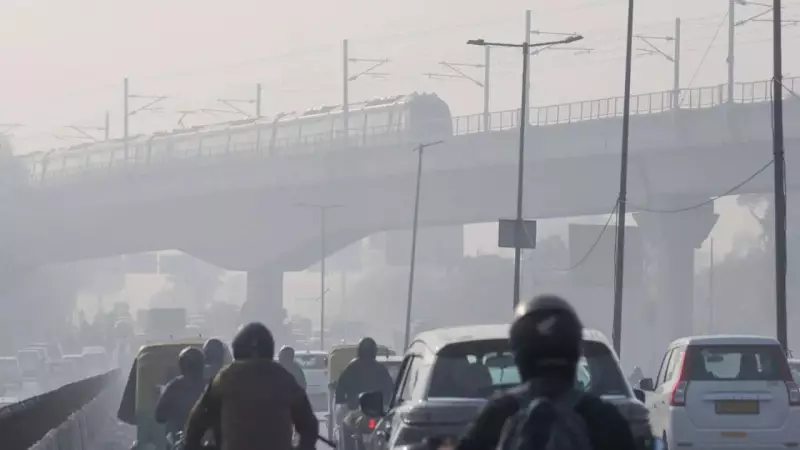
According to the official order issued by CAQM, Delhi's Air Quality Index (AQI) stood at 322 on Thursday, marking a notable departure from the 'severe' category that had triggered the strictest pollution control measures. This improvement has been attributed to favourable meteorological conditions that have helped disperse pollutants more effectively across the region.
Forecasts prepared by both the India Meteorological Department (IMD) and the Indian Institute of Tropical Meteorology (IITM) indicate that air quality is likely to remain in the 'moderate' to 'poor' category in the coming days. This positive projection provided the scientific basis for the commission's decision to ease restrictions.

Stage-III Restrictions Lifted with Immediate Effect
Following a comprehensive review conducted by the sub-committee on GRAP, the commission decided to revoke Stage-III measures, which correspond to the 'severe' air quality category. This decision took effect immediately, providing relief to various sectors that had been operating under stringent limitations.
However, the commission emphasized that actions under GRAP Stage-I and Stage-II will continue to be implemented across the National Capital Region. These ongoing measures aim to prevent any further deterioration in air quality as winter approaches, when meteorological conditions typically become less favourable for pollutant dispersion.
What Stage-III Restrictions Entailed
The now-revoked Stage-III curbs, which had been in force until Thursday, included comprehensive bans on several activities:
- Construction and demolition activities deemed non-essential were completely prohibited
- Specific construction activities banned included earthwork, piling, open trenching, welding, painting, plastering, and tile and flooring work
- Operations at ready-mix concrete (RMC) plants were suspended
- Transportation of construction materials such as cement, sand and fly ash on unpaved roads was prohibited
- Stone crushers, brick kilns, mining activities and industries operating on unapproved fuels were ordered to shut down
Vehicular Restrictions Under the Severe Category
The Stage-III measures also imposed significant limitations on vehicular movement:
- BS-III petrol and BS-IV diesel four-wheelers were banned from operating
- Non-essential diesel-powered medium goods vehicles faced restrictions
- Inter-state diesel buses not running on CNG, electricity or BS-VI standards were prohibited
Important exemptions were provided for essential services, with infrastructure and public utility projects including metro, railways, airports, highways, defence, healthcare and sanitation allowed to continue operations despite the restrictions.
Continued Vigilance and Compliance Requirements
The CAQM issued important clarifications regarding the relaxation of restrictions. Construction and demolition sites that had been shut down for specific violations will not be automatically allowed to resume work. These sites must obtain explicit permission from relevant authorities before recommencing operations.
The commission also urged enforcement agencies to maintain strict vigil during the winter season, when air quality typically deteriorates due to meteorological factors and increased pollution sources. Citizens were requested to strictly adhere to the citizen charter under GRAP Stage 1 and Stage 2 to help prevent any further deterioration in air quality.

This decision represents a significant development in Delhi-NCR's ongoing battle against air pollution, reflecting both improved current conditions and cautious optimism about maintaining better air quality in the immediate future. The commission's balanced approach—lifting the most severe restrictions while maintaining baseline measures—demonstrates a responsive yet prudent pollution management strategy.