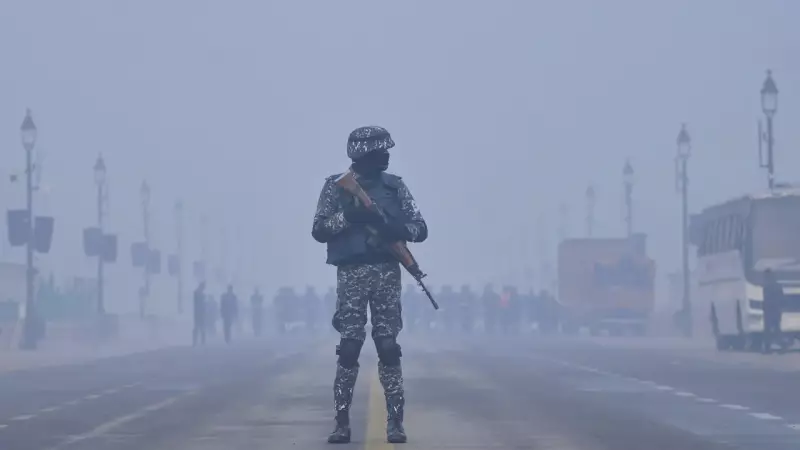
The Commission for Air Quality Management took decisive action on Saturday. It reimposed GRAP-IV restrictions across Delhi and the National Capital Region. This move came after air quality readings slipped firmly into the severe category.
Air Quality Deteriorates Rapidly
The region has struggled with high pollution for many months. Authorities had only just enforced GRAP-III as a precautionary measure the previous day. The situation worsened quickly, prompting the stricter response. GRAP-IV had been lifted in late December, offering residents a brief respite.
What Triggers GRAP Stage IV?
Stage IV restrictions activate when the Air Quality Index surpasses 450. This reading places the region in the severe plus category. The commission provided clear guidance on other stages. Measures under Stages I, II, and III will continue as outlined in the modified GRAP issued on November 21, 2025.

Understanding the Vehicle Restrictions
The commission clarified the rules for private vehicles. A complete ban on all private movement is not in effect. Restrictions primarily depend on a vehicle's emission standards and fuel type.
Vehicles that meet the prescribed pollution norms can still operate. Older, more polluting models face much stricter controls. Specifically, BS-III petrol and BS-IV diesel vehicles cannot ply on Delhi-NCR roads during this phase.
Essential service vehicles form a key exception to this rule. Ambulances, fire trucks, and other critical services are exempt from the prohibition. The focus remains on reducing emissions from the most polluting sources without halting daily life entirely.
Residents and commuters must check their vehicle's compliance status. The authorities aim to balance public health concerns with practical mobility needs. The situation remains fluid, with officials monitoring air quality readings continuously.