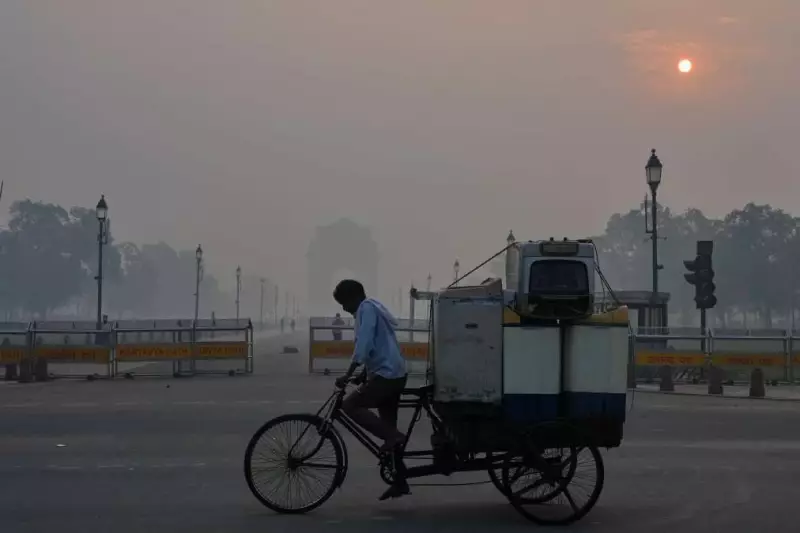
In a significant relief for residents, the Commission for Air Quality Management (CAQM) has officially revoked the stringent Stage 3 restrictions under the Graded Response Action Plan (GRAP) for the Delhi-National Capital Region (NCR). This decision comes as a direct response to a marked and sustained improvement in the region's air quality over recent days.
Why the Curbs Were Lifted
The CAQM, the statutory body responsible for coordinating air pollution control efforts, made this announcement on Thursday, January 2, 2026. The order to lift the restrictions was issued after a careful review of the prevailing air quality scenario and meteorological forecasts provided by the Indian Meteorological Department (IMD) and the Indian Institute of Tropical Meteorology (IITM).
The commission noted that the Air Quality Index (AQI) in Delhi had shown a consistent trend of moving from the 'Severe' category into the 'Very Poor' and 'Poor' categories. This positive shift was attributed to favorable changes in weather conditions, including improved wind speed and ventilation, which helped disperse the accumulated pollutants.

What Restrictions Are Now Removed?
The revocation of GRAP Stage 3 means the immediate removal of several key prohibitions that were impacting daily life and economic activity. The most notable relaxations include:
- Ban on BS-III Petrol and BS-IV Diesel Vehicles: The strict prohibition on the plying of BS-III petrol and BS-IV diesel four-wheelers in Delhi and the districts of Gurugram, Faridabad, Ghaziabad, and Gautam Budh Nagar has been lifted. These vehicles can now operate freely.
- Construction and Demolition Activities: All ongoing construction and demolition projects, which were previously halted, are now permitted to resume. This includes both public and private projects, providing a major boost to the real estate and infrastructure sectors.
- Other Curbs: Other restrictions associated with Stage 3, such as limitations on certain industrial operations, also stand withdrawn.
However, it is crucial to note that Stage 1 and Stage 2 measures of GRAP remain in force. These include actions like enforcing a ban on garbage burning, regulating dust at construction sites, and ensuring proper traffic management.
Authorities Urge Continued Vigilance
While lifting the more severe curbs, the CAQM has emphasized a need for continued vigilance. The commission has directed all implementing agencies in the NCR and the Delhi government to strictly enforce the measures under Stage 1 and Stage 2. The focus remains on preventing a backslide into worse air quality.
The authorities have also been instructed to closely monitor the AQI and meteorological data on a daily basis. The CAQM has made it clear that restrictions could be re-imposed if the AQI is projected to slip back into the 'Severe' category. This dynamic approach is central to the GRAP framework, which is designed to be a flexible tool activated in response to real-time air quality data.
The improvement in Delhi's air quality offers a temporary respite from the hazardous smog that had engulfed the capital. The decision to revoke Stage 3 curbs underscores the direct link between weather patterns and pollution levels in the landlocked region. It also highlights the ongoing challenge of managing air quality through emergency measures while longer-term solutions to stubble burning, vehicular emissions, and industrial pollution continue to be sought.