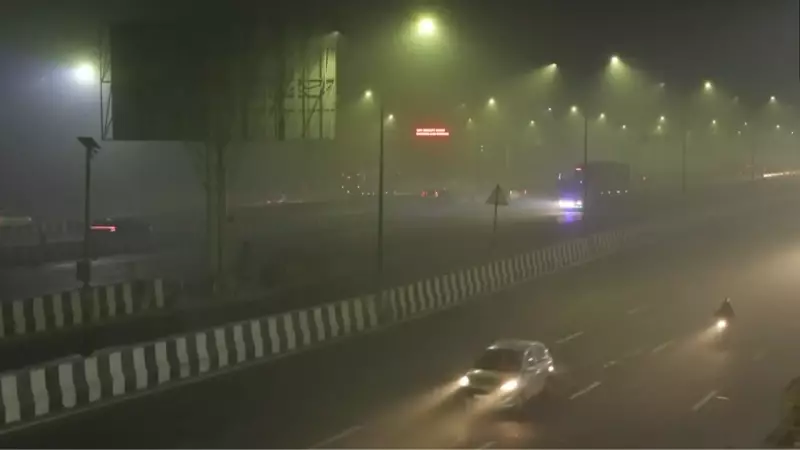
Delhi-NCR Engulfed in Dense Smog as Air Quality Plummets to Severe Levels
A heavy blanket of smog enveloped parts of Delhi-NCR on Tuesday morning, creating hazardous conditions for residents. The overall Air Quality Index (AQI) stood at 379 at 7 am, indicating very poor air quality that poses significant health risks.
Critical Pollution Readings Across Monitoring Stations
Data from the Central Pollution Control Board (CPCB) revealed alarming figures at specific locations. Pandav Nagar recorded an AQI of 445 while ITO measured 414, both falling squarely within the severe category. These readings demonstrate the widespread nature of the pollution crisis affecting the capital region.
The situation showed little improvement from previous days. On Monday, Delhi's average AQI registered at 410 by 4 pm, representing only a slight decrease from Sunday's reading of 440. The pollution had already crossed the 400 mark by 6 pm on Saturday, triggering immediate action from authorities.

GRAP Stage-IV Measures Implemented Amid Persistent Pollution
The Commission for Air Quality Management (CAQM) activated GRAP Stage-IV restrictions in response to the deteriorating conditions. This represents the highest level of response under the Graded Response Action Plan framework. Despite these emergency measures, air quality remained critically poor throughout the region.
CPCB monitoring data from Monday painted a grim picture. Twenty-five out of thirty-nine monitoring stations across Delhi recorded pollution levels in the severe category. Particularly concerning readings came from Wazirpur (AQI 473), Vivek Vihar (472), and Anand Vihar (497), where air quality reached dangerously high levels.
Significant Enforcement Gaps Undermine Pollution Control Efforts
A comprehensive review conducted by CAQM and state pollution control boards uncovered substantial implementation failures. Key measures showed alarming compliance gaps ranging from 7% to nearly 100% across the National Capital Region.
The assessment identified critical shortcomings in several areas:
- Inadequate inspections at construction and demolition sites
- Insufficient mechanical road sweeping operations
- Poor deployment of sweeping machines for dust control
- Grievance redress mechanisms failing in 47-100% of pollution-related complaints
In response to these findings, the commission has directed the Delhi Pollution Control Committee (DPCC) and state pollution control boards to identify officials responsible for non-compliance and initiate appropriate proceedings against them.
Experts Call for Stringent Enforcement of Existing Measures
Environmental specialists emphasize that current regulations contain adequate provisions for pollution control but suffer from poor implementation. They stress the urgent need for stricter enforcement across multiple fronts:
- Effective restrictions on polluting vehicles entering the city
- Rigorous dust control measures at construction sites
- Complete curbs on open biomass burning practices
These experts argue that consistent enforcement rather than new regulations would yield immediate improvements in air quality.
Weather Conditions May Provide Temporary Relief
Meteorological factors could offer some respite from the pollution crisis. Monday experienced moderate fog conditions with temperatures ranging from 7.7°C to 26.7°C. Weather forecasts indicate possible rainfall around January 23, which typically helps disperse accumulated pollutants and improve air quality temporarily.
This severe pollution episode marks the most significant three-day spell since January 2021, when similar conditions persisted from January 14 to 16. The recurrence highlights the persistent nature of Delhi's air quality challenges despite various intervention measures.