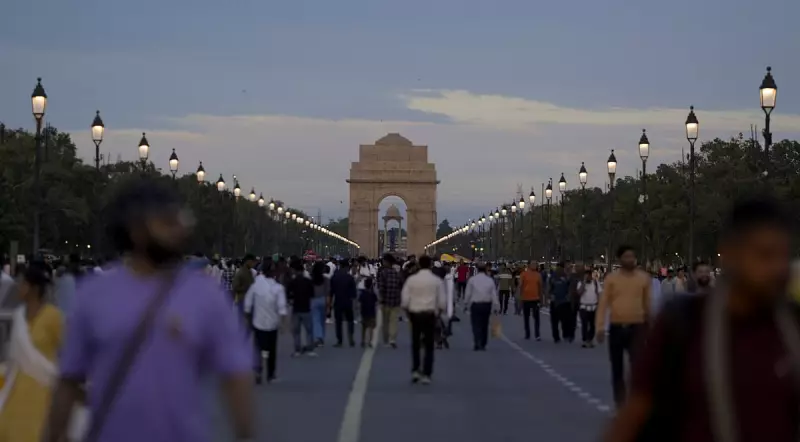
In a welcome development for its residents, India's capital city, Delhi, has breathed its cleanest air in nearly a decade. Government data released at the start of 2026 confirms that the year 2025 witnessed the best air quality the city has seen in eight years, marking a significant milestone in the long battle against pollution.
Significant Drop in Pollutant Levels
The improvement is quantified by a notable decline in the concentration of harmful particulate matter. According to the official figures, the average level of PM2.5, the fine and most hazardous particles, decreased from 104 micrograms per cubic metre in 2024 to 96 micrograms per cubic metre in 2025.
Similarly, the levels of the coarser PM10 particles also saw a substantial reduction. The data shows a fall from 212 micrograms per cubic metre in the previous year to 197 micrograms per cubic metre in 2025. This consistent downward trend across key pollutant indicators points to a genuine improvement in the atmospheric conditions over the National Capital Region.

A Multi-Year Positive Trend
This achievement did not happen overnight. The report highlights that the air quality in 2025 was the best recorded since 2017, indicating the culmination of efforts over an eight-year period. While challenges remain, and levels are still above the national safe standards, the data provides a clear signal that sustained policy measures and public awareness campaigns may be starting to yield tangible results.
The announcement, made on the first day of 2026, offers a hopeful start to the new year for millions of Delhiites who have endured severe pollution episodes, especially during the winter months.
Implications and the Road Ahead
The improved air quality has direct positive implications for public health, potentially leading to a reduction in respiratory and cardiovascular ailments linked to pollution. It also underscores the importance of continued vigilance and action.
Key factors that likely contributed to this improvement include:
- Stricter enforcement of pollution control norms for industries and vehicles.
- Increased adoption of cleaner fuels and promotion of public transport.
- Measures to control dust from construction sites and roads.
- Initiatives to address stubble burning in neighbouring states.
However, environmental experts caution that this positive trend must be consolidated. The focus must now shift to maintaining this momentum and striving to bring pollution levels within the World Health Organization's stricter guidelines to ensure a healthier future for Delhi.