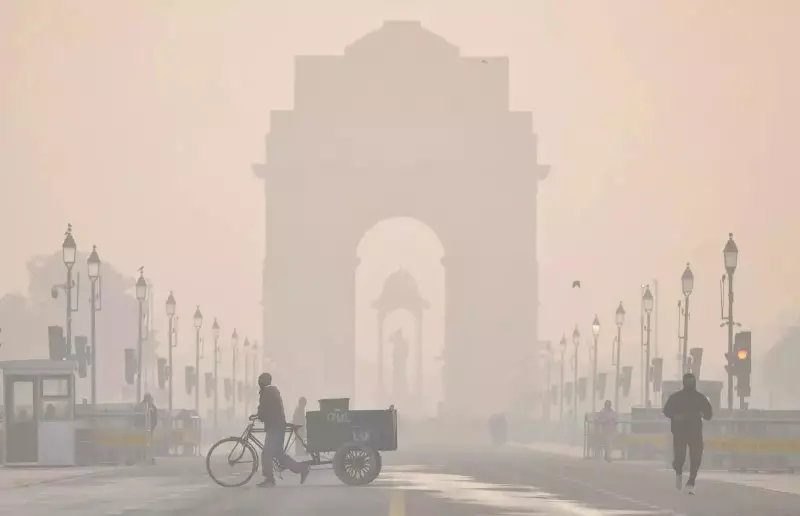
Delhi Faces Sunny Weather with Severe Air Pollution on January 15
New Delhi residents will wake up to a bright winter day on Thursday, January 15, 2026. The city expects pleasant sunshine with temperatures ranging from 9.6°C to 21.4°C. No rain is forecast, making it a dry day across the capital.
Detailed Weather Conditions for Today
Today begins on a cooler note, typical for mid-January in Delhi. The morning chill will give way to a mild, sunlit afternoon. The high temperature reaches 21.4°C, while the low drops to 9.6°C. The average temperature stands at 14.8°C.
Humidity levels remain relatively low at around 32 percent. This creates a dry feel rather than clammy conditions. Winds blow gently to moderately, peaking near 13 kilometers per hour. Visibility stays strong at 10 kilometers, benefiting commuters and drivers.

The forecast shows 0 millimeters of rain and a 0 percent chance of precipitation. This minimal risk means no weather-related disruptions. Early morning hours are the coolest part of the day. Temperatures then rise steadily through late morning into mid-afternoon.
By evening, temperatures dip again. Residents will feel the familiar winter bite after sunset at 5:46 PM. For outdoor walks, the most comfortable period runs from late morning to mid-afternoon. Early morning and late evening activities require an extra layer of clothing.
Severe Air Quality and Health Risks
Despite the pleasant weather, air quality remains a major concern. Yesterday's air quality was categorized as "Severe." Lingering haze today can still irritate eyes and throat. It is a good morning to step out, but keeping a mask handy is wise, especially near busy roads.
Delhi's air quality on Wednesday, January 14, was alarming. The AQI (India) registered 427, placing it in the severe bracket. The US AQI simultaneously read 417. Both readings indicate conditions that could affect even healthy adults with extended exposure.
Primary pollution contributors include particulate matter. PM2.5 levels measured 276, and PM10 levels reached 378. Carbon monoxide (CO) was also a factor at 240, adding to the overall pollution load.
This type of air quality can lead to several health symptoms:
- Coughing
- Throat irritation
- Headaches
- Breathlessness
These effects are particularly concerning for children, older adults, and individuals with pre-existing conditions like asthma or heart issues.
Today's sunny weather and light winds offer no relief. The absence of rain means no natural washout to clear pollutants. Midday sunshine might slightly improve air mixing. However, if winds stay mild, pockets of poor air quality may persist in traffic-heavy corridors and construction areas.
Today's conditions can be summarized as "good weather, bad air." Sunglasses help during bright afternoon hours. Light layering is recommended for clothing. This includes a warm top for morning, something lighter for lunchtime, and a jacket again after sunset.
For commuters during peak traffic hours, consider an N95/FFP2-style mask. Avoid long outdoor workouts. If you must be outside, take shorter breaks with indoor recovery time to reduce exposure. Keeping windows closed during heavy-traffic hours may also maintain better air quality at home and in cars.
Week Ahead Forecast and Outlook
The upcoming week shows a steadily warming trend with continued dry conditions. Here is the daily breakdown:
- January 16: Partly cloudy, high of 23.2°C, low of 11.1°C.
- January 17: Overcast but mild, high of 23.7°C, low of 13.1°C. This day may feel duller and could trap pollution closer to the surface.
- January 18: Strong sunshine returns, high of 24.6°C.
- January 19: High of 25.3°C.
- January 20: High of 25.9°C.
- January 21: High of 26.6°C, low rising to 15.5°C.
Nights become less chilly as lows rise. For outdoor plans, January 16 and January 18 appear particularly pleasant weather-wise. The primary caution throughout the entire week remains air quality. Without rain and with fairly calm winds, significant pollution relief depends on local dispersion and emission controls.

A bonus skywatch note indicates the New Moon arrives on January 18. This event typically makes for darker skies at night. However, Delhi's existing haze and city lights can still limit stargazing opportunities.
This outlook provides residents with essential information on current and future weather patterns alongside crucial health advisories. The data referenced comes from AQI.in.