

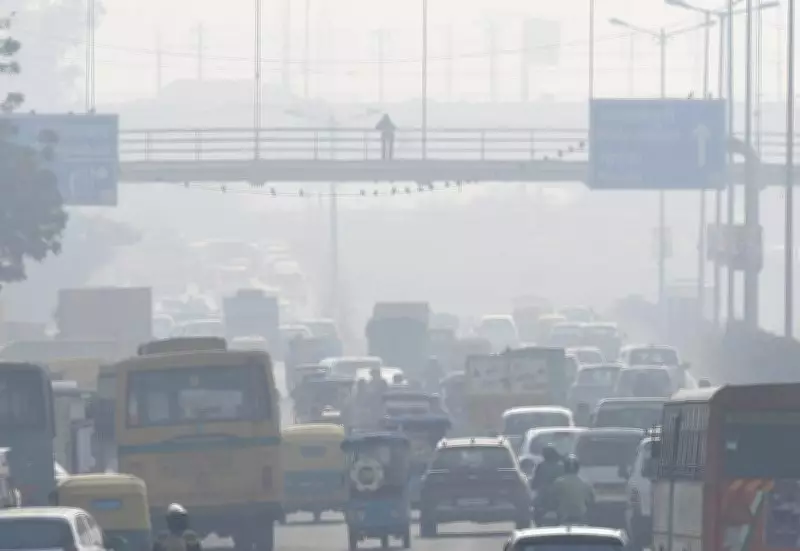
Delhi, the national capital, has witnessed a notable development in its battle against air pollution this winter. The city recorded an average Air Quality Index (AQI) of 307 for the month of January 2024, according to recent data. This figure represents a significant milestone, as it marks the second-best January in terms of air quality over the past five years.
Analyzing the AQI Data for January
The average AQI of 307 places January 2024 in a relatively favorable position when compared to previous years. While still classified under the 'very poor' category according to the Central Pollution Control Board's standards, this reading shows a marginal improvement from some of the more severe pollution episodes experienced in recent winters. The data suggests that efforts to mitigate air pollution may be yielding gradual results, though challenges persist.
Contextualizing the Improvement
To understand the significance of this achievement, it is essential to look at the historical context. Over the last five years, Delhi has struggled with notoriously high pollution levels during the winter months, often leading to health advisories and public concern. The fact that January 2024 ranks as the second-best in this period indicates a potential shift, albeit a modest one, in the city's air quality trajectory.

Several factors could have contributed to this improvement. These might include:
- Enhanced enforcement of pollution control measures by authorities.
- Favorable meteorological conditions that aided in the dispersion of pollutants.
- Increased public awareness and participation in anti-pollution initiatives.
- Potential reductions in specific emission sources during the month.
Implications for Public Health and Policy
The recorded AQI of 307, while an improvement, still underscores the ongoing public health risks associated with air pollution in Delhi. Prolonged exposure to such levels can exacerbate respiratory and cardiovascular conditions, particularly among vulnerable groups like children and the elderly. This data should serve as a reminder of the urgent need for sustained and comprehensive action.
From a policy perspective, the results highlight the importance of continuous monitoring and adaptive strategies. Policymakers and environmental agencies must build on this progress by:
- Strengthening regulations on industrial and vehicular emissions.
- Promoting cleaner energy sources and waste management practices.
- Investing in green infrastructure and public transportation systems.
- Encouraging community-based efforts to reduce pollution at the local level.
Looking Ahead: Challenges and Opportunities
Despite the positive note, Delhi's air quality remains a critical issue that requires unwavering attention. The winter season typically brings a combination of factors such as crop residue burning, festive fireworks, and temperature inversions that can quickly deteriorate air conditions. Therefore, while the January 2024 data is encouraging, it should not lead to complacency.
Moving forward, it will be crucial to maintain and intensify efforts across all sectors. Public engagement, technological innovations, and robust governance will play key roles in ensuring that this improvement is not just a temporary blip but part of a long-term trend toward cleaner air. The goal must be to achieve consistently safe AQI levels that protect the health and well-being of all Delhi residents.
In summary, Delhi's average AQI of 307 in January 2024 offers a glimmer of hope in the fight against air pollution. By recognizing this as the second-best January in five years, we can appreciate the progress made while remaining vigilant and committed to further advancements.






