

Deccan Herald's Editorial Cartoon 'Apocalypse' Sparks Intense Climate Debate
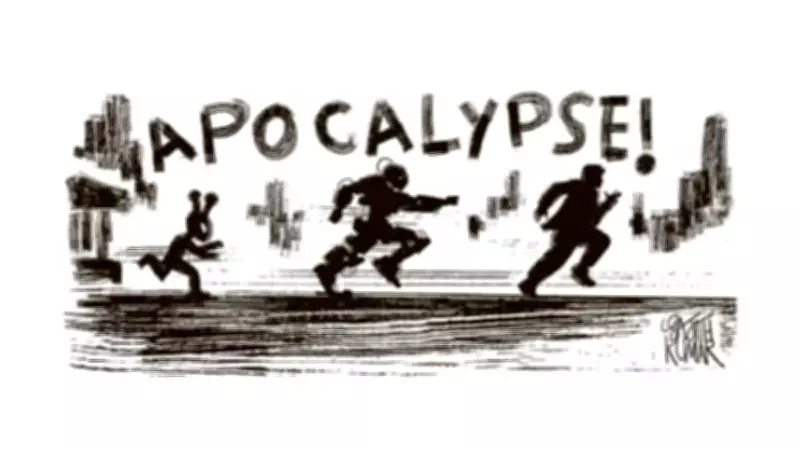
In a powerful visual commentary, Deccan Herald's editorial cartoon titled 'Apocalypse' has ignited widespread public discourse on the escalating climate crisis. The cartoon, published as part of the newspaper's opinion section, employs stark and evocative imagery to underscore the urgent environmental challenges facing the world today.
Visual Imagery and Symbolism in the Cartoon
The cartoon is characterized by its bold artistic style, depicting scenes of environmental devastation such as melting ice caps, raging wildfires, and polluted landscapes. These elements serve as a poignant critique of global inaction and policy failures in addressing climate change. The use of dark tones and dramatic visuals aims to evoke a sense of immediacy and concern among viewers, highlighting the potential catastrophic consequences if current trends continue unchecked.
Key themes explored in the cartoon include:

- The impact of human activities on natural ecosystems
- Political and corporate negligence in environmental stewardship
- The growing disparity between climate rhetoric and tangible action
- Public apathy and the need for grassroots mobilization
Public and Expert Reactions to the Cartoon
Since its publication, the cartoon has garnered significant attention from readers, environmental activists, and policymakers alike. Many have praised it for its unflinching portrayal of climate realities, noting that such visual media can effectively raise awareness and spur dialogue on critical issues. Experts in climate communication have emphasized that cartoons like 'Apocalypse' play a vital role in simplifying complex scientific data into accessible narratives, thereby bridging the gap between academic research and public understanding.
However, some critics argue that the cartoon's apocalyptic tone may foster despair rather than inspire proactive solutions. They suggest that while highlighting problems is essential, media should also focus on hopeful stories of innovation and resilience to motivate collective action. Despite this, the overall consensus is that the cartoon has successfully amplified the climate conversation in mainstream discourse.
The Role of Editorial Cartoons in Environmental Advocacy
Editorial cartoons have long been a staple of journalistic expression, using satire and symbolism to comment on social and political issues. In the context of climate change, they serve as a powerful tool for advocacy by:
- Visualizing abstract concepts like global warming and biodiversity loss
- Holding leaders accountable for environmental policies
- Engaging diverse audiences through humor and artistry
- Fostering emotional connections to ecological concerns
Deccan Herald's 'Apocalypse' cartoon exemplifies this tradition, leveraging its platform to challenge complacency and call for urgent action. As climate-related disasters become more frequent, such artistic interventions are increasingly vital in shaping public opinion and driving policy changes.
In conclusion, the 'Apocalypse' cartoon by Deccan Herald stands as a significant contribution to environmental journalism, reminding us of the pressing need to address climate change with seriousness and solidarity. Its impact underscores the enduring power of visual media in advocating for a sustainable future.






