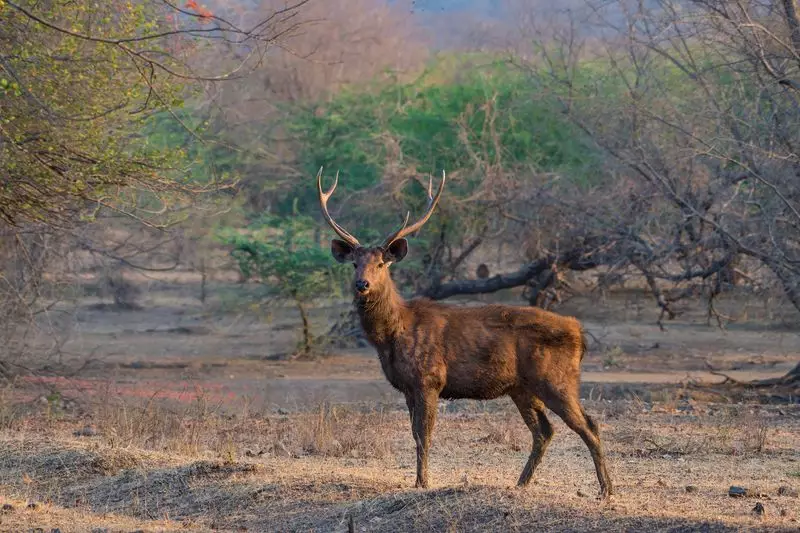
Heavy and persistent snowfall in the high-altitude reaches of Himachal Pradesh's Dhauladhar Wildlife Sanctuary has triggered a critical situation, forcing local villagers to temporarily abandon their homes. This annual seasonal migration, while a survival strategy for humans, is creating a dangerous security vacuum for the region's precious wildlife, leaving animals exposed to a heightened threat from poachers.
The Annual Exodus and Its Immediate Impact
Every winter, residents of remote hamlets like Kala Top, Dhancho, and Mural within the sanctuary boundaries are compelled to migrate to lower, more accessible areas such as Bir and Billing. The primary reason is the complete cutoff of essential services and connectivity due to massive snow accumulation, which can reach staggering depths of 15 to 20 feet. This year has been particularly severe, with continuous snowfall since January 22nd solidifying the need for this exodus.
This mass movement of people, however, has a direct and alarming consequence. The forest department's network of local informants and eyes-on-the-ground effectively vanishes overnight. Forest guard Karnail Singh, stationed in the area, confirmed that the departure of villagers severely weakens the intelligence gathering mechanism crucial for preventing wildlife crime. The silent, snow-covered forests become a playground for those with malicious intent.

A Sanctuary Rich in Biodiversity Now Under Threat
The Dhauladhar Wildlife Sanctuary is not just any forest; it is a vital biodiversity hotspot. The area serves as a habitat for several endangered and protected species, making the poaching threat especially grave. Key animals at risk include the elusive and majestic snow leopard, the Himalayan black bear, and the ghoral (Himalayan grey langur). The sanctuary is also home to other significant fauna like the Himalayan serow, barking deer, and a variety of pheasants and monals.
With the natural human surveillance gone, poachers find it easier to lay traps, hunt, and operate without fear of immediate detection. The risk is not theoretical. Authorities have previously recovered traps and equipment meant for capturing or killing these animals, indicating a persistent threat that exploits this seasonal vulnerability.
Conservation Efforts and the Call for Action
In response to this annual crisis, the forest department is not standing idle. Officials have announced plans to intensify patrolling during this vulnerable period. A key strategy involves mobilizing frontline staff and engaging with the few villagers who might choose to stay back. The department aims to form joint patrol teams and reactivate the system of local informants within the migrated communities, even if from a distance.
However, the challenge is monumental. The terrain is treacherous, and the area vast. The solution requires more than just periodic patrols. Conservationists and officials emphasize the need for a permanent, multi-pronged strategy. This could include:
- Enhanced winter staffing and resources for the forest department in these zones.
- Developing alternative livelihood support to reduce the economic pressure that sometimes leads locals to collaborate with poachers.
- Strengthening community-based conservation programs that incentivize protection year-round.
- Exploring technological aids like camera traps and satellite monitoring to keep a virtual eye on the sanctuary.
The situation in Dhauladhar is a stark reminder of the complex interplay between human survival and wildlife conservation in ecologically sensitive mountain regions. The temporary migration, a necessity for human life, inadvertently signs a potential death warrant for some of India's most vulnerable wildlife. Bridging this security gap is imperative to ensure the sanctuary's majestic inhabitants are not paying the ultimate price for the winter snow.