

UAE Civilian Areas Targeted by Falling Drone Debris in Regional Conflict Fallout
In a stark escalation of regional hostilities, drone debris from intercepted aerial threats has struck civilian sites across the United Arab Emirates, including the iconic Etihad Towers complex in Abu Dhabi. This incident underscores how the ongoing Iran–US–Israel conflict is spilling over into Gulf nations, transforming once-stable urban hubs into zones of defensive operations.
Etihad Towers Incident: Civilian Injuries and Structural Damage
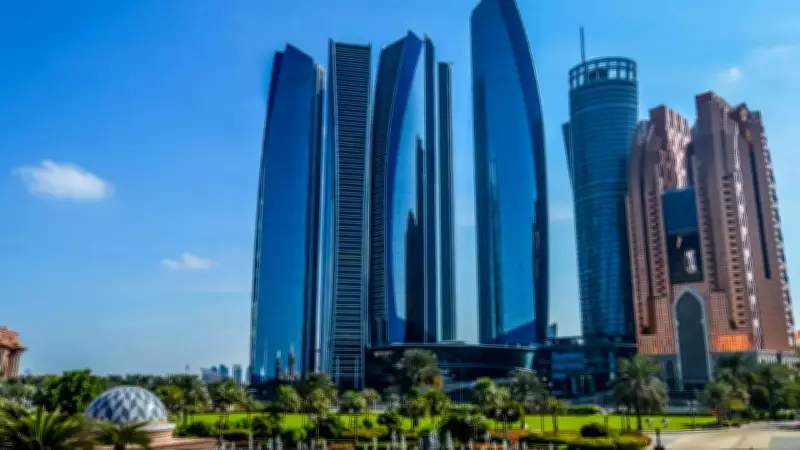
Late on Sunday, UAE air defence systems successfully neutralised a hostile drone, but falling fragments from the wreckage hit the facade of one of the Etihad Towers buildings. This mixed-use landmark in Abu Dhabi sustained limited structural damage, while a woman and her child suffered minor injuries from the debris. Authorities from the Abu Dhabi Government Media Office confirmed that the loud booms heard across the emirate resulted from these interception efforts, part of a broader campaign to counter threats amid Iran's retaliation for coordinated US and Israeli strikes.
Residents were urged to avoid circulating rumours and rely solely on official updates, as the situation remains fluid. The incident highlights the unpredictable nature of aerial defence, where even successful interceptions can lead to collateral damage in densely populated areas.

Widespread Impact Across UAE Cities
The Etihad Towers were not the only civilian site affected. Similar debris falls have been reported in other parts of Abu Dhabi and Dubai, injuring residents and causing minor damage to homes and infrastructure. Key locations impacted include:
- Jebel Ali Port, where debris sparked minor fires quickly controlled by emergency responders.
- Burj Al Arab and airport perimeters, experiencing similar incidents with limited disruption.
- Residential areas in Dubai, where two residents were injured by falling debris from intercepted threats.
According to defence ministry reports, broader Iranian drone and missile attacks have resulted in multiple deaths and dozens of injuries in the UAE, from both direct hits and falling fragments. These events are tied to Iran's ongoing retaliation, which has expanded the conflict beyond traditional military theatres into major Gulf cities housing US bases.
Security Challenges and Public Safety Measures
The fact that intercepted drone debris is impacting high-density civilian structures like Etihad Towers reveals a growing risk: while defences mitigate larger explosions, they cannot fully prevent all impacts in urban centres. Abu Dhabi and Dubai, home to tens of thousands of residents, expatriates, tourists, and foreign workers, face unique challenges in urban safety during conflicts.
Experts note that air defence systems are crucial, but fallback measures and public guidance on shelter protocols are key to minimising harm from incidental debris. The National Emergency Crisis and Disaster Management Authority has emphasised that the overall security situation remains under control, with core infrastructure—power, communications, water, and emergency services—functioning normally.
Officials have reassured the public that precautionary measures are being updated in real-time, urging vigilance and adherence to government instructions, particularly avoiding debris sites. Temporary airspace closures and airport disruptions have occurred, but authorities are monitoring developments round the clock to ensure safety.
Human Toll and Regional Implications
Ordinary civilians are bearing the brunt of these regional hostilities, with incidents like the Etihad Towers attack highlighting the human cost. The UAE's call for Iran to "go back to your senses" after attacks on Dubai, Abu Dhabi, Doha, and Kuwait reflects heightened diplomatic tensions. As the Iran–US–Israel conflict escalates, Gulf cities are shifting into an active defensive posture, with authorities stressing the importance of relying on official sources and staying clear of danger zones to maintain public order and safety.






