

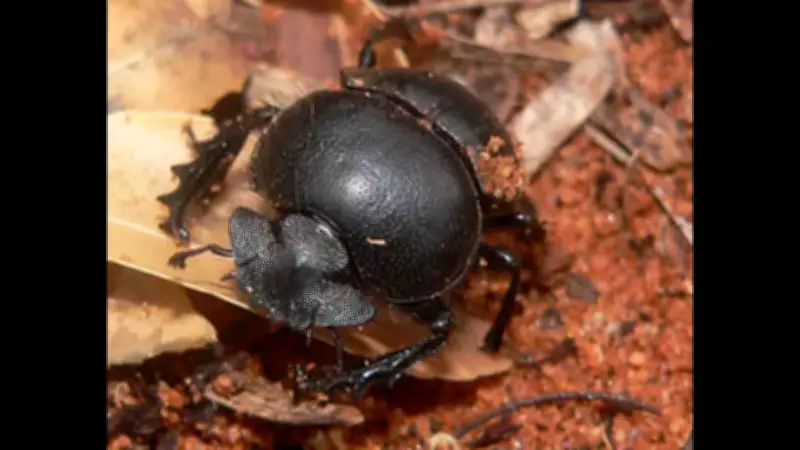
Dung Beetles: Nature's Unsung Heroes and Their Crucial Ecological Role
At first glance, dung beetles might appear as simple insects merely rolling balls of feces across the ground. However, this seemingly mundane task is, in reality, a vital job that plays an indispensable role in sustaining and nurturing ecosystems globally. These remarkable creatures are far more than just waste managers; they are essential engineers of environmental health.
Dung Beetle Appearance and Behavior
Dung beetles belong to the Scarabaeidae family within the Coleoptera order of insects, and they exhibit a fascinating diversity across species. They vary significantly in terms of size, color, and shape, yet all share a common defining characteristic: their unique behavior of collecting and forming dung into balls. This activity is not just a quirky trait but a fundamental aspect of their survival and ecological function.
In the study titled 'Functional leg design in dung beetles: Morphological adaptations to food relocation behaviour,' researchers highlight that "many dung beetles form the dung into balls, which they then roll away and bury." This process is categorized into three major classes of dung beetles:

- Rollers: These beetles are adept at removing dung from its source and rolling it to new locations for burial or consumption.
- Tunnellers: This class buries the dung directly underground, where it decomposes and enriches the soil.
- Dwellers: These insects reside inside the dung itself, breaking it down from within.
Habitat and Distribution of Dung Beetles
Dung beetles are highly adaptable and can be found on every continent except Antarctica. They thrive in a wide range of environments, including grasslands, forests, deserts, and farmlands. Their presence is particularly pronounced in areas with abundant herbivore populations, as noted in research from the Key Laboratory of Vegetation Ecology, Ministry of Education/Jilin Songnen. The study, 'Dung beetle communities are jointly mediated by soil properties, herbivore dung types, and habitats in Serengeti savannah,' states that "Dung beetles are especially common where there are herds of plant-eating animals."
This constant supply of manure from herbivores provides a rich food source and habitat for dung beetles. Consequently, their presence has become increasingly significant in maintaining pasturelands in regions like India, Africa, and Australia. In many ecosystems, the abundance of dung beetles is considered a key indicator of a healthy and balanced environment.
Ecological Role and Importance of Dung Beetles
Often referred to as nature's recyclers, dung beetles perform critical functions that benefit both natural and agricultural systems. By decomposing animal feces, they facilitate nutrient cycling, returning essential nutrients to the soil and enhancing soil fertility. This process not only improves soil structure and aeration but also reduces the prevalence of parasites and pests.
According to research from the University of Rajasthan, the activities of dung beetles lead to "nutrient cycling, soil aeration, and parasite reduction in the livestock environment." Through their diligent work, these insects help control fly populations and other parasites, thereby providing substantial benefits to wildlife, livestock, and agricultural practices. Their role in promoting soil health is a cornerstone of sustainable ecosystem management.
Scientific Research and Recent Findings
Beyond their ecological contributions, dung beetles have captivated scientists with their extraordinary navigational abilities. Recent studies have revealed that certain species of dung beetles use celestial cues, including the Milky Way, for orientation when rolling dung balls. This remarkable behavior underscores the complexity of their sensory systems and evolutionary adaptations.

In the research paper 'The role of the sun in the celestial compass of dung beetles,' it is stated that "dung beetles utilise celestial cues, including the Milky Way, for orientation." This discovery has amazed researchers, highlighting how such a small insect can possess such a sophisticated navigation system. It emphasizes the importance of studying insects to uncover insights into behavior, evolution, and even potential applications in technology and robotics.
Despite often going unnoticed, dung beetles make immense contributions to keeping our planet healthy and vibrant. From enhancing soil quality and supporting agriculture to inspiring scientific discoveries, the role of these insects is profound and cannot be underestimated. They are a testament to the intricate connections within ecosystems and the value of every creature, no matter how small.





