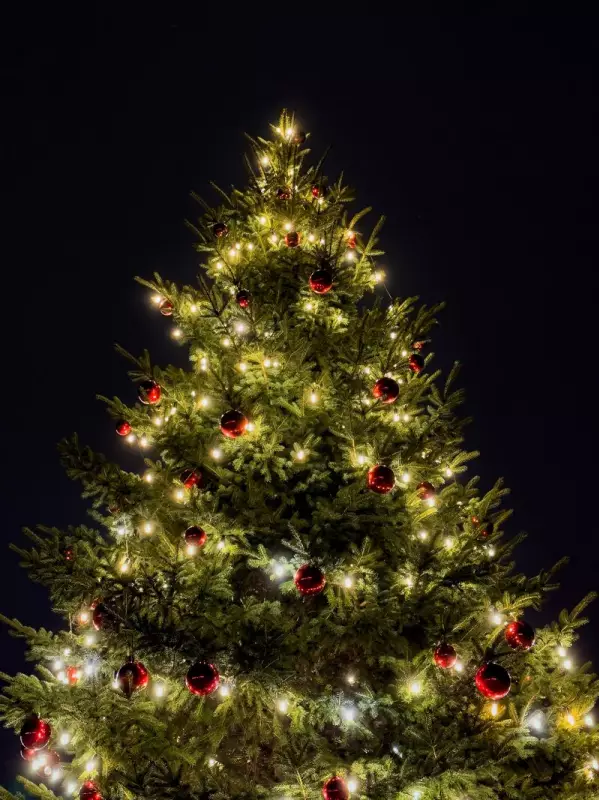
The festive cheer of Christmas has faded, the carols have quieted, and the gifts have been unwrapped. But for many households across India, a prickly question remains: what to do with the now-drooping Christmas tree? The instinct might be to simply toss it out with the regular trash, destined for an already overburdened landfill. However, environmental experts and civic bodies are urging citizens to think twice and choose a greener path.
The Environmental Cost of a Festive Tradition
While the sight of a twinkling Christmas tree brings joy, its post-holiday disposal poses a significant environmental challenge. Discarded trees, when sent to landfills, decompose anaerobically (without oxygen), releasing methane—a potent greenhouse gas that contributes to climate change. They also take up valuable space in waste management systems. With growing awareness about sustainability, more Indians are seeking responsible ways to extend the life of their festive firs, pines, or cypresses, whether real or artificial.
Creative and Sustainable Alternatives to Landfill
Thankfully, there are numerous innovative and eco-conscious ways to give your Christmas tree a second life. Here are some practical alternatives that are gaining traction.

Mulching for Your Garden: One of the best uses for a real tree is to chip it into mulch. The mulch can be spread around garden beds and trees. It acts as a protective layer, retaining soil moisture, suppressing weeds, and eventually decomposing to add valuable nutrients back into the earth. Some local gardening groups or municipal parks departments may offer chipping services after the holidays.
Creating a Wildlife Habitat: If you have space, consider placing the tree in a corner of your garden or balcony. It can provide crucial shelter for birds during the colder months. You can even decorate it with bird-friendly treats like strings of popcorn, berries, or suet balls, turning it into a "bird feeder tree." The branches offer protection from predators and harsh weather.
Natural Craft Projects: Get creative! The fragrant branches and trunk can be repurposed into charming DIY projects. Slice the trunk into rustic coasters or wood slices for decorations. Strip the needles to make fragrant sachets for drawers. Smaller branches can be woven into wreaths or used as natural supports for climbing plants in the spring.
Community Collection and Recycling Drives: In many urban areas, resident welfare associations (RWAs), environmental NGOs, or even municipal corporations organize special post-Christmas tree collection drives. These collected trees are often chipped for community parks, used in lakes or ponds for fish habitats, or processed into biomass fuel. Checking with your local civic body or eco-groups is a great first step.
Responsible Disposal of Artificial Trees: For artificial trees, the goal is to avoid disposal for as long as possible. Store it carefully so it can be used for many years. If it must be discarded, see if any components can be separated for recycling (like metal stands) or if the entire unit can be donated to a community centre, school, or charity for future use.
A Shift Towards Conscious Celebrations
The movement towards sustainable Christmas tree disposal is part of a larger global shift towards conscious consumption and waste reduction. In India, where festivals are grand and numerous, integrating such practices is crucial for urban waste management. Choosing a potted living tree that can be replanted after the holidays is another excellent long-term solution gaining popularity.
The key takeaway is that the end of the festive season doesn't have to mean the end of the tree's usefulness. By opting for one of these eco-friendly alternatives, individuals can significantly reduce their holiday carbon footprint, contribute to local ecosystems, and set a positive example for sustainable living. This small act of responsibility ensures the spirit of Christmas—one of giving and care—extends to our planet as well.