Study Highlights Energy Risks from El Nino
A new study warns that the El Nino weather phenomenon could pose a double challenge to India's energy system, primarily through reduced hydroelectricity generation caused by rainfall deficits. The research, conducted by the Indian Institute of Technology (IIT) Delhi and published in the journal Nature Energy, projects that El Nino conditions could decrease hydroelectric power output by up to 15% during the monsoon season.
Impact on Hydroelectricity and Grid Stability
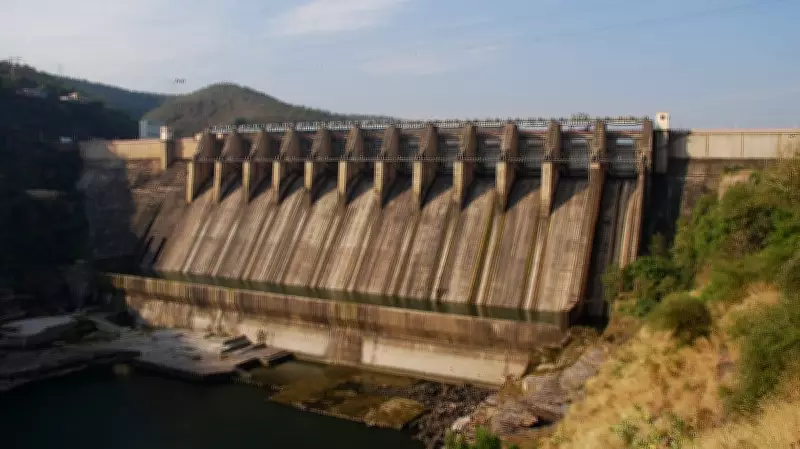
Hydroelectricity accounts for about 12% of India's total installed power capacity. During El Nino years, weaker monsoon rains lead to lower reservoir levels, directly impacting hydro generation. According to the study, this reduction could strain the grid, especially during peak demand periods. The authors note that such a scenario could exacerbate power shortages, particularly in regions heavily dependent on hydropower, such as the northeastern states and the Himalayan belt.
Broader Energy System Stress
Beyond hydroelectricity, the study indicates that El Nino may also increase electricity demand due to higher temperatures, leading to greater use of cooling appliances like air conditioners. This dual pressure—lower supply from hydropower and higher demand—could stress the entire energy infrastructure. The researchers call for adaptive measures, including diversifying energy sources and improving grid management.

Expert Recommendations
Dr. R. K. Singh, a co-author of the study, stated, "Our findings underscore the need for a resilient energy system that can withstand climate variability. Integrating more renewable sources like solar and wind, along with better storage solutions, can help mitigate these risks." The study also suggests enhancing thermal power plant efficiency and promoting energy conservation to buffer against El Nino's impacts.