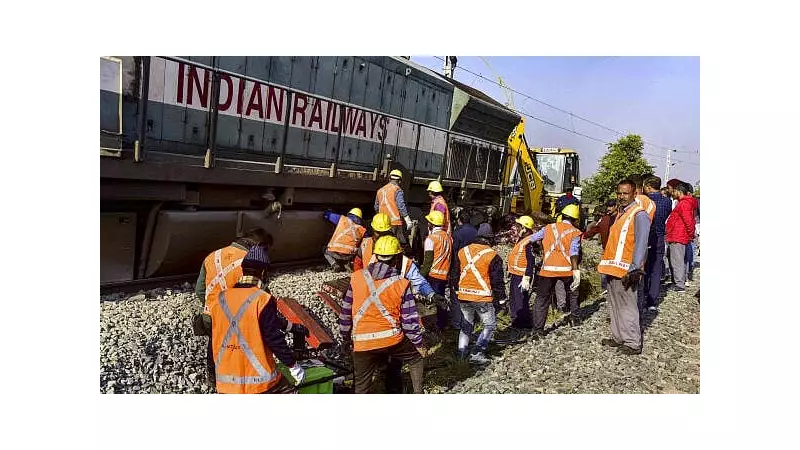
A devastating incident involving a train and a herd of wild elephants in Assam has taken an even grimmer turn. The injured elephant calf, which was part of the group struck earlier, has succumbed to its wounds, raising the total death toll from the collision to eight.
The Fatal Collision in Lumding Division
The tragic accident occurred on the night of June 21 within the jurisdiction of the Lumding forest division. A speeding goods train collided with a herd of elephants as they were crossing the railway tracks. The initial impact resulted in the immediate death of seven elephants. The eighth, a calf, sustained severe injuries but was alive at the scene.
Forest department officials and railway personnel rushed to the spot following the collision. The injured calf was provided immediate care, but its condition remained critical. Despite efforts to save it, the young elephant could not survive the grievous injuries inflicted by the train.

Ongoing Investigation and Official Response
The Northeast Frontier Railway (NFR) has confirmed the details of the accident and the subsequent death of the calf. Authorities have launched a thorough investigation into the circumstances that led to the collision. A key focus is determining whether the train was adhering to speed restrictions that are typically mandated in forest corridors known for elephant movement.
This incident has sparked renewed outrage and concern among wildlife conservationists and local communities. It highlights the persistent and deadly conflict between railway infrastructure and wildlife, particularly in biodiverse regions like Assam. The state's railway networks cut through several vital elephant corridors, creating constant danger for the animals.
Broader Implications for Wildlife Safety
The death of eight elephants in a single incident represents a significant loss for Assam's elephant population. It underscores the urgent need for more effective mitigation measures. Common suggestions from experts include:
- Strict enforcement of speed limits for trains in identified elephant crossing zones.
- Enhanced early warning systems using sensors or patrols to alert train drivers of animal presence on tracks.
- Improving the visibility and maintenance of habitat corridors to ensure safe passage for wildlife.
This tragedy serves as a somber reminder of the challenges in balancing development and transportation needs with critical wildlife conservation efforts. The forest department and railway officials are expected to review existing protocols to prevent such heartbreaking incidents in the future.