

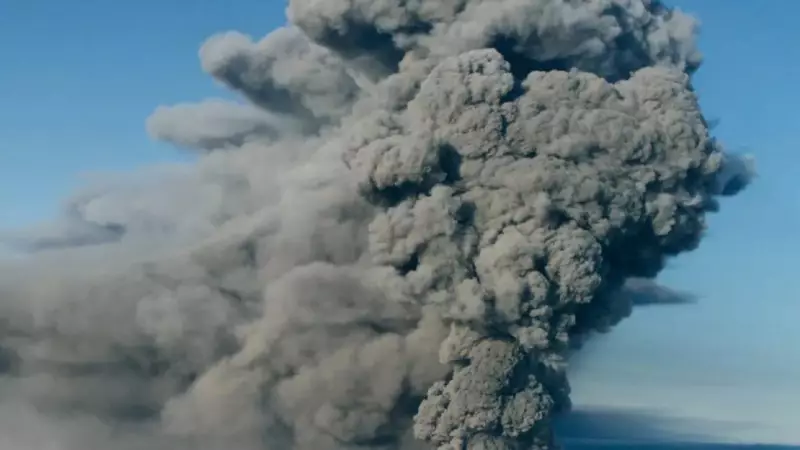
Volcanic Ash from Ethiopia Disrupts Air Travel Across North India
The Indian capital region is experiencing significant aviation disruptions and potential air quality deterioration as ash clouds from a recently erupted volcano in Ethiopia have traveled thousands of kilometers to reach Indian skies. The Hayli Gubbi volcano in Ethiopia's Afar region, dormant for approximately 10,000-12,000 years, erupted on Sunday, November 23, 2025, generating massive ash plumes that have now affected flight operations across western and northern India.
Widespread Flight Cancellations and Delays
Delhi's Indira Gandhi International Airport witnessed substantial disruptions on Tuesday, with at least seven international flights cancelled and more than ten flights delayed. The volcanic ash plume, rising nearly 14 kilometers (45,000 feet) into the atmosphere, drifted across the Red Sea into Yemen and Oman before reaching the Arabian Sea and eventually affecting Gujarat, Delhi-NCR, Rajasthan, Punjab, and Haryana.
Air India took precautionary measures by cancelling 13 international services since Monday after volcanic ash was detected along key Middle East and European routes. Multiple carriers including IndiGo and Akasa Air were among the first to modify operations, with some aircraft being diverted mid-air to safer corridors to avoid the hazardous ash cloud.

Why Volcanic Ash Poses Serious Aviation Risks
Volcanic ash contains microscopic silica and abrasive rock fragments that can melt inside jet engines, clog fuel nozzles, and cause sudden flameout. Aviation safety protocols strictly require aircraft engines to avoid volcanic ash due to the risk of sudden power loss and system damage. Even short-term exposure can damage cockpit windshields, sensors, and avionics systems, making avoidance the only safe strategy for airlines.
The Directorate General of Civil Aviation (DGCA) issued emergency advisories to all airlines and airports, instructing operators to strictly avoid ash-affected areas and adjust flight planning, routing, and fuel requirements. Airlines have also been directed to immediately report suspected ash encounters and conduct runway inspections if ash contamination affects airport operations.
Air Quality and Visibility Concerns in Delhi
While the volcanic ash traveled at high altitudes, experts warned that it may enhance haze and visibility issues temporarily amid Delhi's already polluted atmosphere. The capital recorded an Air Quality Index (AQI) of 360 on Tuesday morning, with pockets like Rohini touching the 'severe' category. The combination of existing winter pollution and volcanic ash particles created additional concerns for residents already grappling with poor air quality.
According to the India Meteorological Department, the volcanic ash cloud is drifting eastwards and was expected to move away from Indian airspace by Tuesday evening. Forecast models had indicated temporary influence over western and north Indian regions, particularly affecting Gujarat and Delhi-NCR.
Airlines continue to monitor the situation closely, with officials expecting temporary disruptions to persist as carriers track the plume's movement and adjust route lengths and cruise levels. Most carriers have assured passengers that they are prepared for detours, possible longer travel times, and holding patterns to ensure safe, uninterrupted operations.






