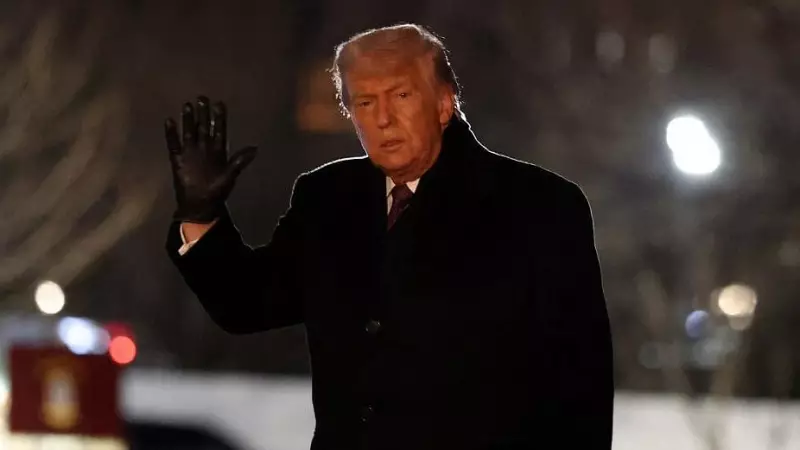
The European Union has officially expressed significant concern regarding what it describes as a 'concentration of powers' by former United States President Donald Trump in relation to the newly formed Board of Peace. This development marks a notable diplomatic stance from the EU, highlighting tensions over international governance structures.
Substantial Departure from UN Mandate
According to recent reports, the Board of Peace "departs significantly" from the original mandate that was authorized by the United Nations Security Council in November. Initially, the board was intended to focus solely on addressing the ongoing Gaza conflict, a critical issue in Middle Eastern geopolitics.
EU's Diplomatic Apprehensions
The EU's concerns center on the perceived shift in the board's objectives and the accumulation of authority under Trump's influence. This move raises questions about the alignment of international peacekeeping efforts with established multilateral frameworks.

Analysts suggest that this situation could impact global diplomatic relations, particularly between European nations and the United States. The EU's statement underscores a commitment to upholding UN resolutions and ensuring that peace initiatives remain transparent and collectively managed.
Broader Implications for Global Governance
The controversy surrounding the Board of Peace reflects broader debates about power dynamics in international organizations. As the EU voices its unease, it calls for a reevaluation of how such boards operate within the confines of their authorized mandates.
This incident may influence future collaborations on conflict resolution, especially in volatile regions like the Middle East. Stakeholders are closely monitoring the situation for potential resolutions or further escalations.