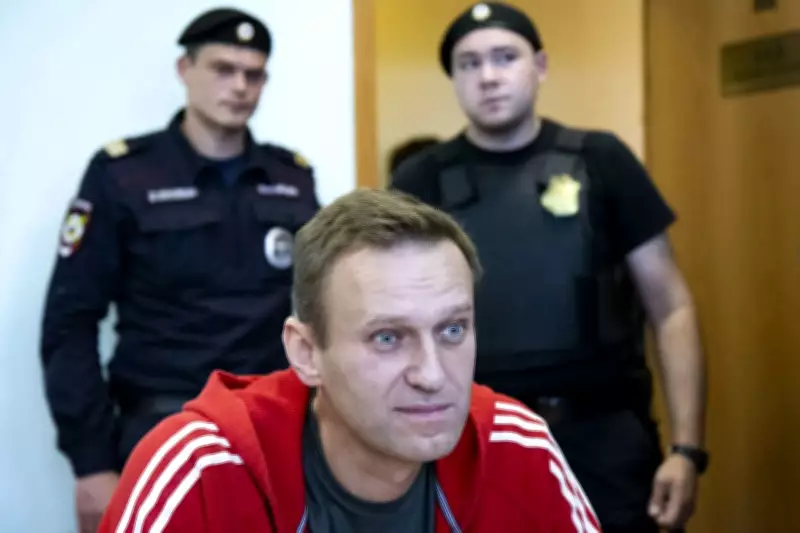
European Nations Jointly Accuse Kremlin in Navalny's Poisoning Death
A coalition of European nations issued a powerful joint statement on Saturday, directly accusing the Kremlin of orchestrating the poisoning death of Russian opposition leader Alexei Navalny, a fierce critic of President Vladimir Putin. The statement, released by the foreign ministries of the United Kingdom, France, Germany, Sweden, and the Netherlands, coincided with the approach of Navalny's second death anniversary, marking a significant diplomatic condemnation.
Details of the Alleged Poisoning
The countries asserted that epibatidine, a rare and highly toxic alkaloid found in the skin of dart frogs native to South America, was detected in samples related to Navalny's case. They stated this toxin "highly likely resulted in his death." In a separate statement, the UK Foreign Office emphasized, "Only the Russian state had the means, motive and opportunity to deploy this lethal toxin to target Navalny during his imprisonment in a Russian penal colony in Siberia, and we hold it responsible for his death." Navalny, aged 47, was serving a 19-year jail term widely viewed as politically motivated at the time of his death.
Moscow's Response and Background
Moscow has consistently denied any involvement in Navalny's death, maintaining he died of "natural causes." This accusation adds to ongoing international tensions, highlighting the deep divide between Russia and Western nations over human rights and political freedoms.

What is Epibatidine?
According to the United States' National Library of Medicine (NLM), epibatidine is a toxic alkaloid isolated from the skin of Epipedobates tricolor, a poison frog found in Ecuador. Historically used by indigenous tribes on hunting darts, it was discovered in 1974, but its chemical formula and structure were only fully established in 1992. Widely considered an analgesic agent, it is used for pain relief but has high toxicity, limiting its therapeutic potential. This alkaloid is noted as a powerful painkiller, estimated to be 100 to 200 times stronger than morphine and about 30 times stronger than nicotine.
The joint statement underscores the ongoing international scrutiny of Russia's actions and the legacy of Navalny as a symbol of opposition. As the world marks his death anniversary, these allegations fuel debates on accountability and justice in global politics.